


Cr7 Horaa: The perks of being a professional gamer

The past two years have been nothing but an unexpected turn of events for the 25-year-old Sanjan Gautam, also known as Cr7 Horaa, a YouTuber and game streamer from Morang, currently living in Kathmandu. He played PUBG (an online shooter game) for fun but it quickly became a lot more when he began streaming his gaming sessions live on YouTube in 2021. Within three months, his YouTube channel ‘Cr7 Horaa’,P had garnered 100,000 subscribers, breaking records among Nepali game streamers. Now, he has around 9,000-10,000 people viewing his live streams daily. “I started streaming PUBG because I was bored,” says Gautam. It was during the Covid-19 lockdown when he first came up with the idea of streaming live on YouTube. At that time, Gautam had dropped out of college while pursuing a bachelor’s degree. He had initially planned on going abroad but the pandemic put a damper on his plans. “I spent all my days playing games. Then it occurred to me that I should stream it live,” he says. None of his family members were aware of what he was up to. He would often have disagreements with his mother who wanted him to stop playing games and do something productive. “I was a college drop-out so I understood her concerns,” he says, adding that was why letting them know about him being a streamer wasn’t an option. “I don’t think there are any Nepali households that would support their child when s/he wants to become a game streamer,” he says. He eventually had to tell them but it wasn’t until he began earning quite well from his live streams. Gautam wasn’t aware that becoming a streamer would make him famous. “I didn’t make any investments, and I didn’t have proper streaming tools,” he says. But in less than two years, Gautam has managed to become one of the PUBG partners because of which his voice will be added to the game itself. “I have now managed to get myself a good computer through which my live streams are even better,” he says. He starts live streaming his sessions at around nine at night and is done by two in the morning. “I like to get it done by midnight so that I can get some decent sleep but that hasn’t been possible yet,” he says. “I think people like the way I speak more than how I play the game,” he says. Indeed, a lot of people on his social media have admired his way of talking and how that has kept them engaged in all of his live streams. This, Gautam adds, puts a certain pressure on him. “It’s difficult to keep people engaged with your content for a long time,” he says. He mostly streams PUBG and occasionally some other games too. But, he says, just streaming games can easily become mundane for the viewers. “So I like to entertain them [viewers] by talking about different things while I’m live,” he says. So he talks about the current political and social scenarios of Nepal besides picking other random topics where he can be his witty self. “I would like to think I’m a funny guy. I try to bring in some humor in all my content and keep my viewers entertained that way” he says. Streaming games has also become his source of income which he has put to good use. “When you are earning and earning well you shouldn’t just keep the money for yourself. You need to give it to people who need it,” he says, adding he often organizes charity streams since he started getting requests from people to help them out. “I give every rupee I collect from that day’s livestream to the one for whom I organized the event. And sometimes I give money out of my pocket,” he adds. In the two years he has been into game streaming, Gautam has donated around Rs 150,000. He mostly gives money to those who need immediate medical attention. In the future, Gautam doesn’t just want to be limited to being a streamer. He also wants to sell his merchandise. “I have already started my merch business and, so far, it’s going well,” he says. He further mentions that he is planning to complete his bachelor’s degree as well. “I don’t know what I’ll study but I want to go to college and get a degree,” he says. That doesn’t mean his life as a streamer is over. “I don’t know for how long PUBG or other games are going to be relevant. But if indeed my reason for fame is the way I speak then, no matter what, I think I will always have an audience,” he says.

A closer look at Namuna Ghar (Photo Feature)

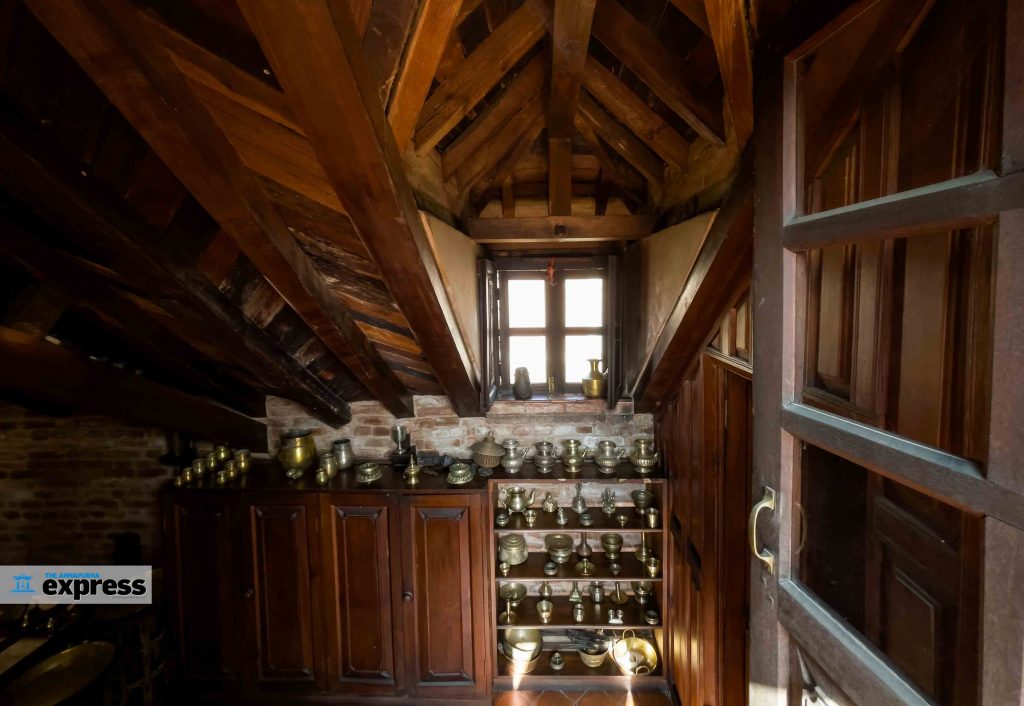
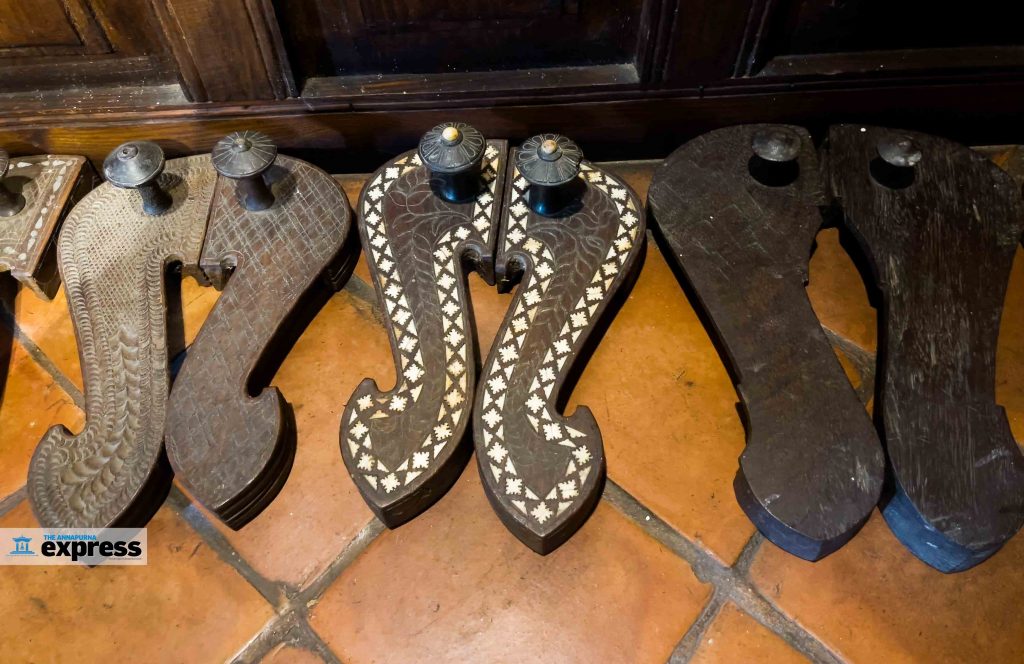
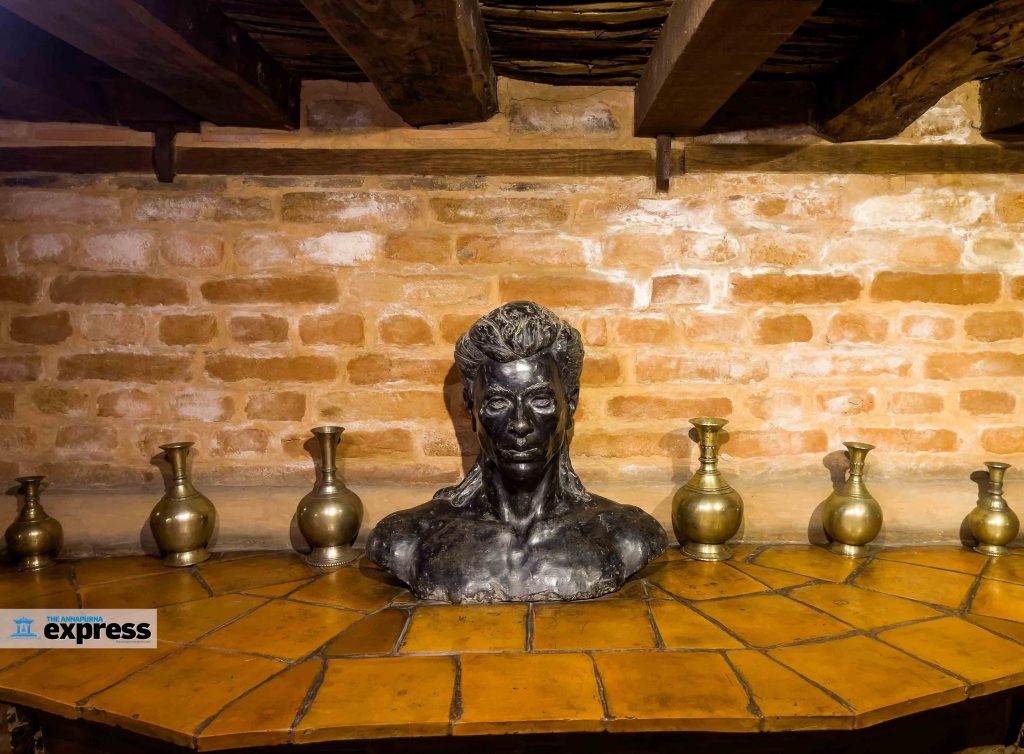
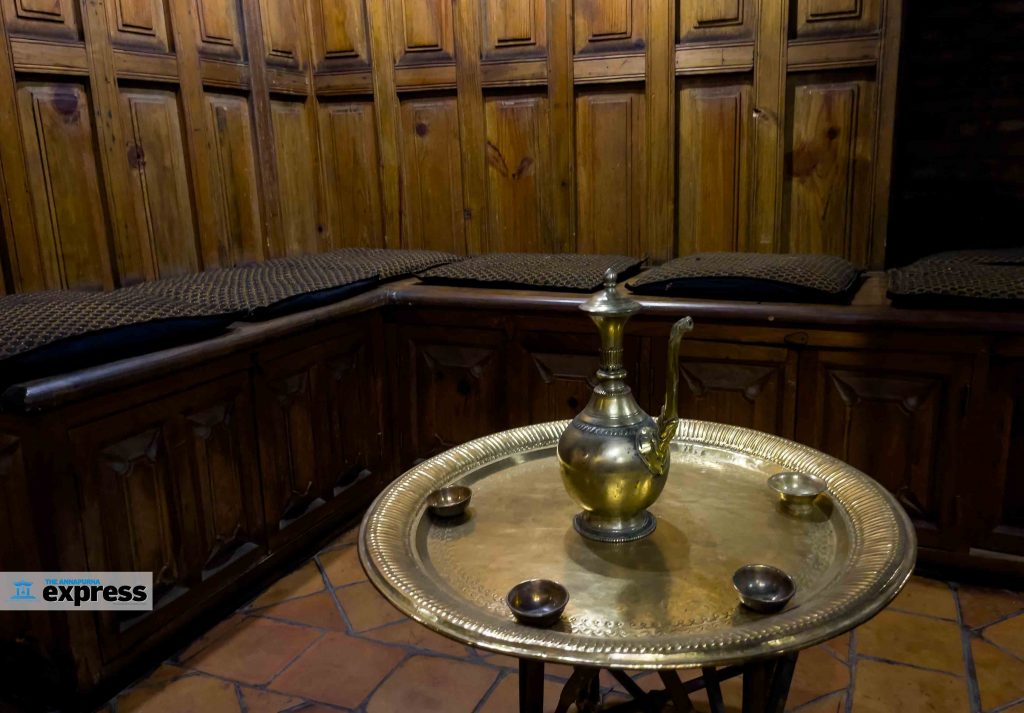
The Namuna Ghar in Datattraya, Bhaktapur, is a special heritage that reflects Nepal’s glorious medieval art, architecture, and history. The house was initially discovered to be over 150 years old before the restoration process by Rabindra Puri in 1999. It was being used as a chicken coop, a shame for all the potential it held. 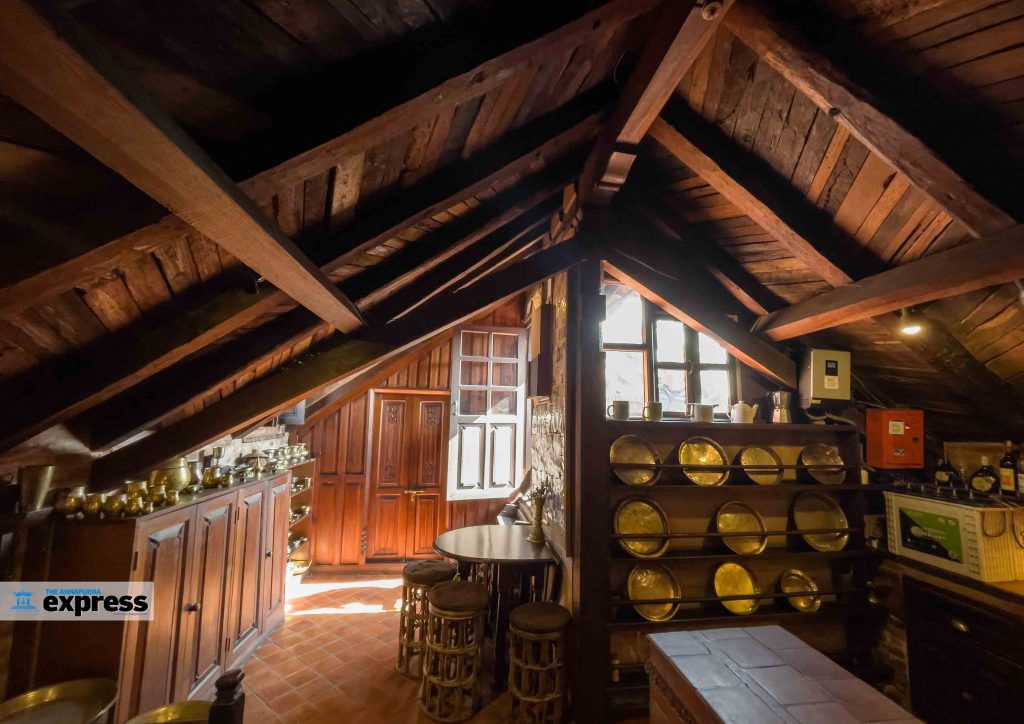 This house was redesigned and rebuilt, now featuring beautiful attributes that graced traditional Nepali architecture. It went on to win the prestigious UNESCO Asia-Pacific Awards for Cultural Heritage Conservation in 2004.
Even prior to attaining global recognition, the building was already regarded to be Namuna Ghar (translates to mean ‘model house’) by Bhaktapur Municipality, which is how the building got its name. 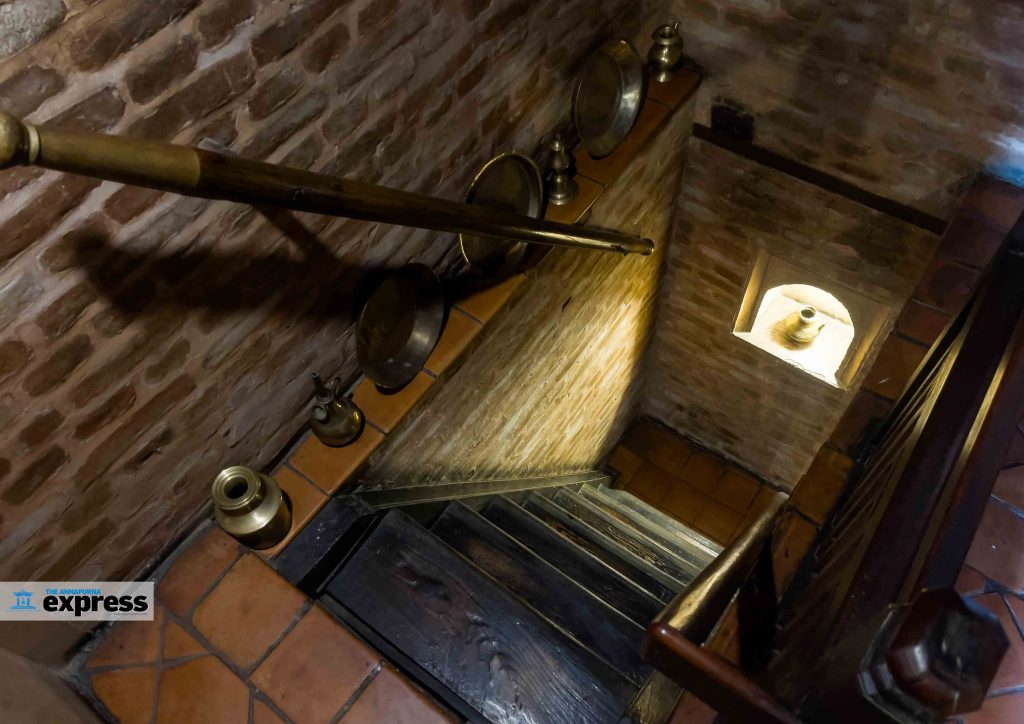 “When I first joined the heritage conservation field, I was called insane for passing up a comfortable life and career in Europe and choosing a zero-income sector,” says Puri.
 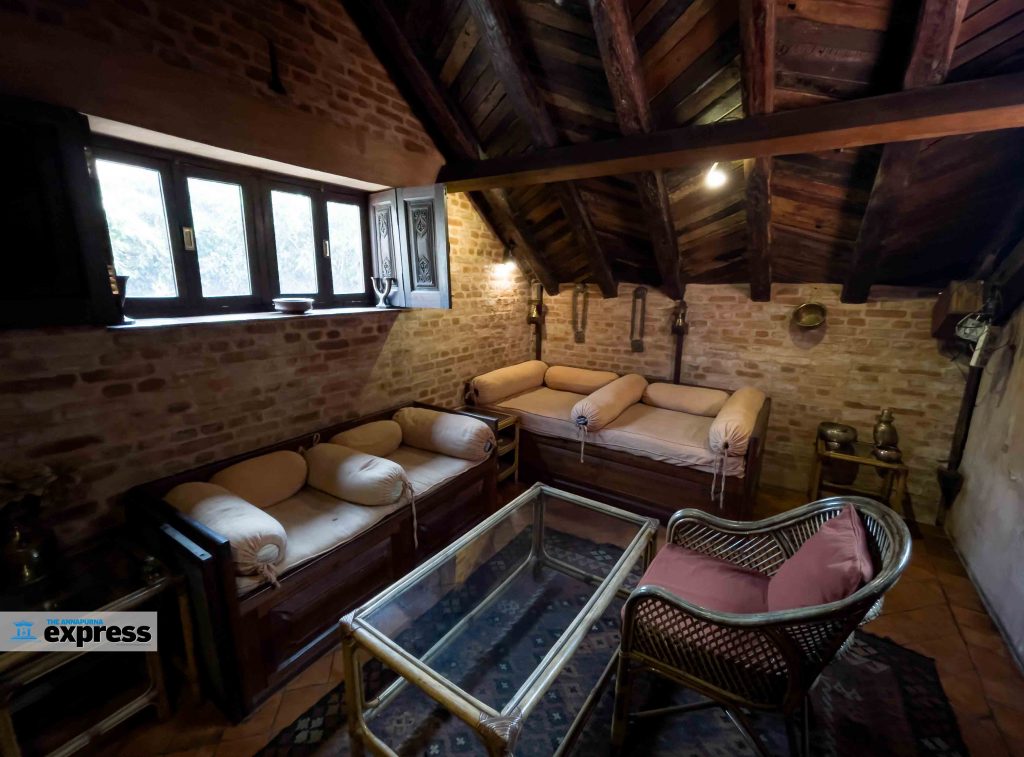 About 60 percent of this building required new construction, with the remainder achieving satisfactory results through retrofitting. Original structural components were carefully removed and reused wherever possible. This restoration project was completed in roughly a year and a half.
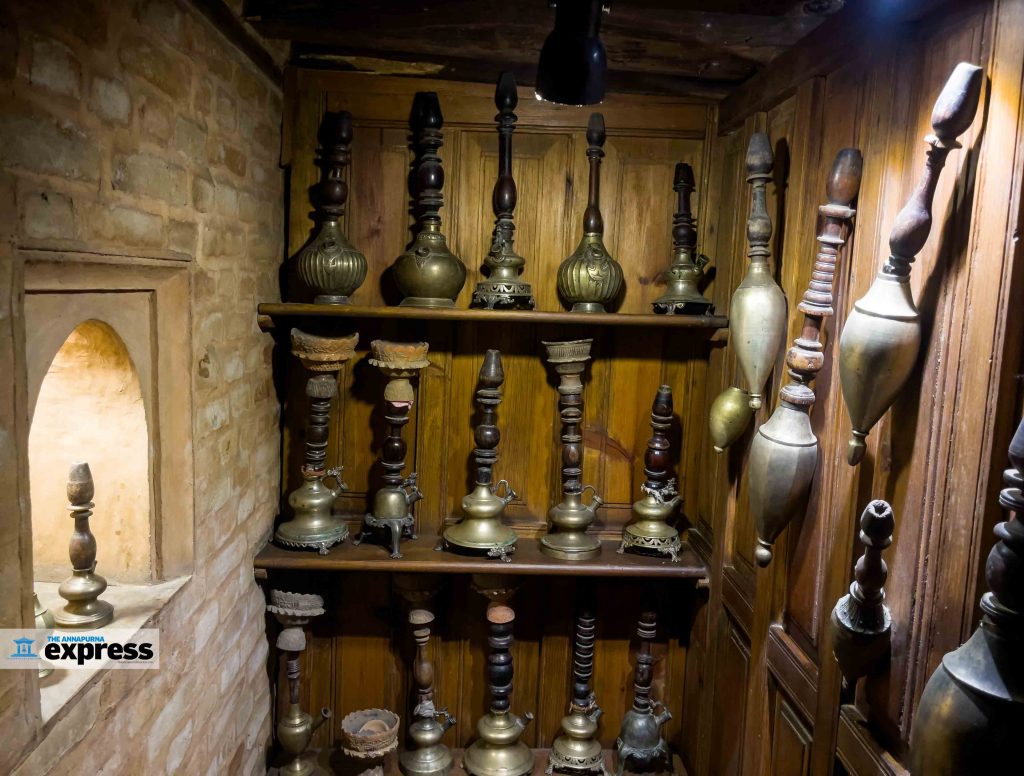
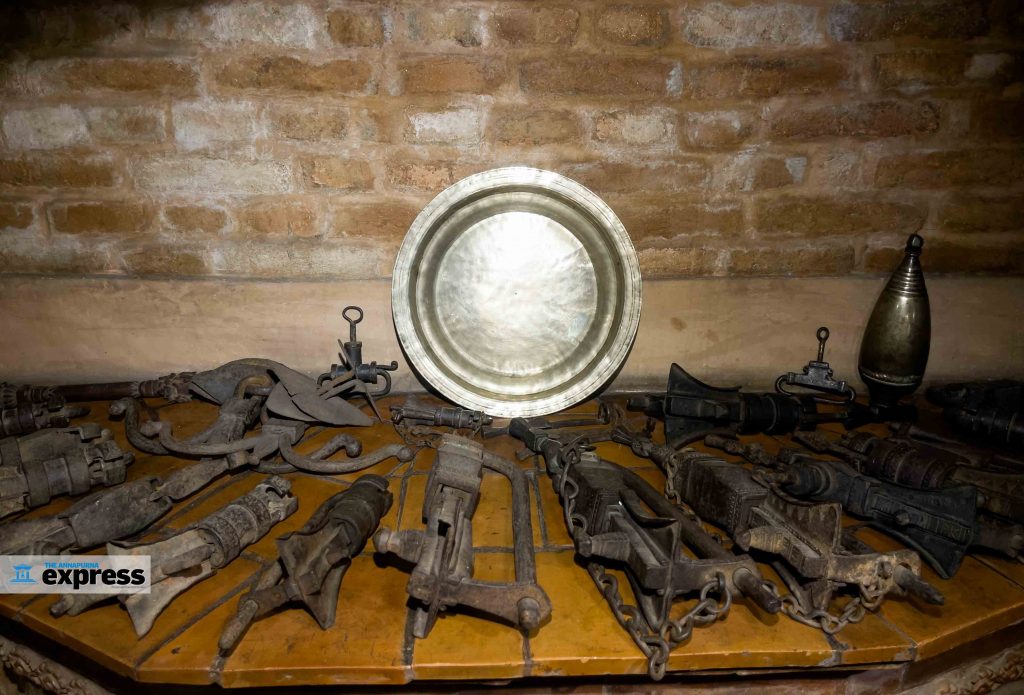
Quickly thereafter, the home gained traction and received unexpected appreciation and recognition. Items that highlight Nepali culture and tradition are on display at Namuna Ghar. The main objective for restoring and promoting Namuna Ghar with this approach is to inspire Nepali people to appreciate and conserve their rich and beautiful heritage. 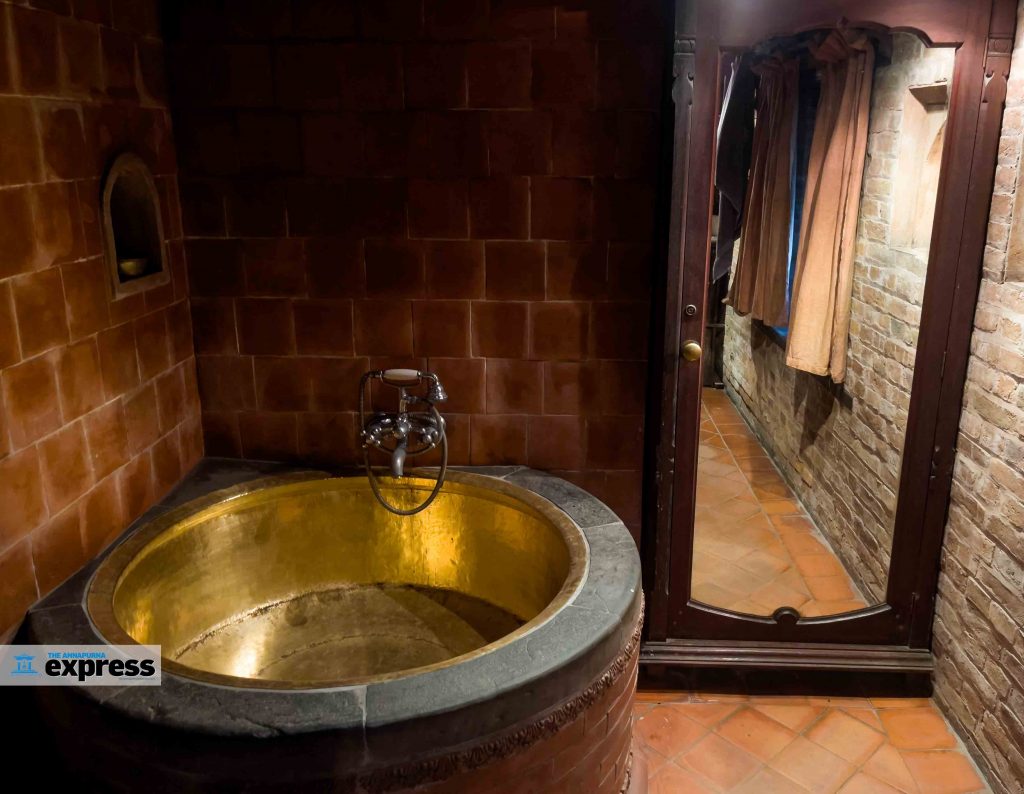 “I also started a homestay at the Namuna Ghar, and it was from here, the concept of bed and breakfast took off in Nepal,” Puri adds.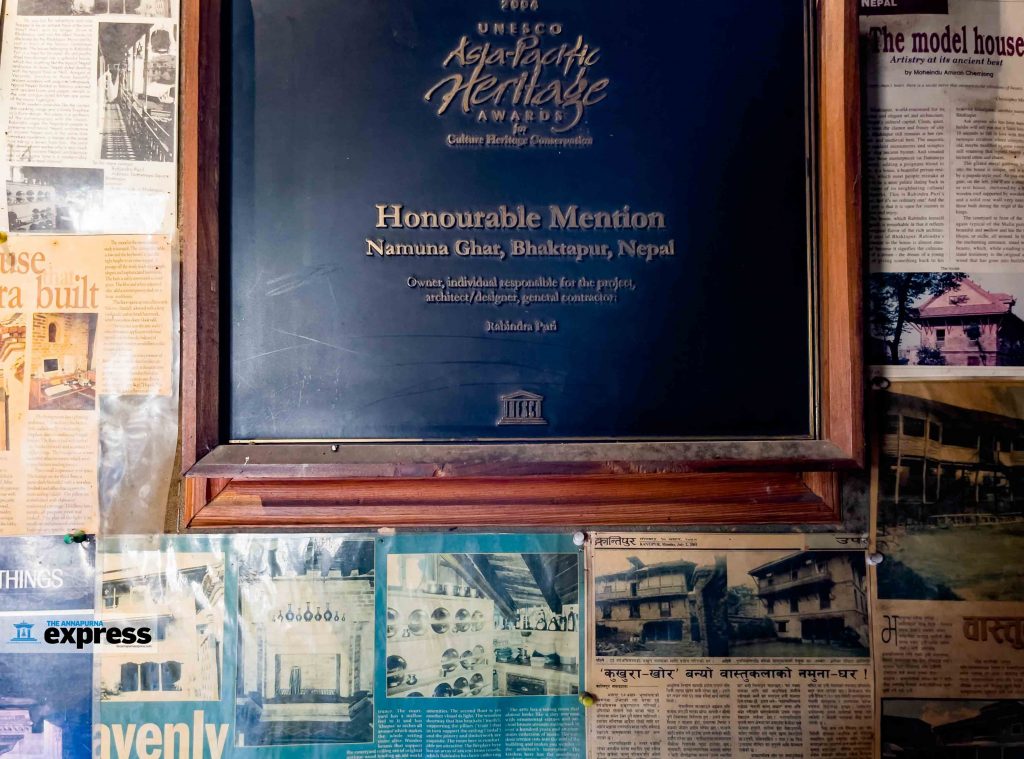

Finding Nepal in Beijing (Photo feature)
Beijing is dry in winter, the temperature is down, the wind is freezing, and trees are leafless.
But it doesn’t stop one from exploring the sites and witnessing the beauty of the world-renowned historic city. Beijing is not just the Chinese capital city, but a center for global attraction, be it for politics and diplomacy or economics and business.
 This March, I got an opportunity to visit a few cultural and religious sites in Beijing which reflected a deep connection with Nepal. Through the magnificent architecture, deep rooted arts, and centuries-old structures, we can find many similarities and greatness of our cultural and spiritual ties. These heritage sites have been a direct source for Chinese people to learn and understand more about Nepal. Despite the cold temperature, this strong cultural presence, and bonding warms anyone’s heart.
The White Dagoba Temple
This March, I got an opportunity to visit a few cultural and religious sites in Beijing which reflected a deep connection with Nepal. Through the magnificent architecture, deep rooted arts, and centuries-old structures, we can find many similarities and greatness of our cultural and spiritual ties. These heritage sites have been a direct source for Chinese people to learn and understand more about Nepal. Despite the cold temperature, this strong cultural presence, and bonding warms anyone’s heart.
The White Dagoba Temple
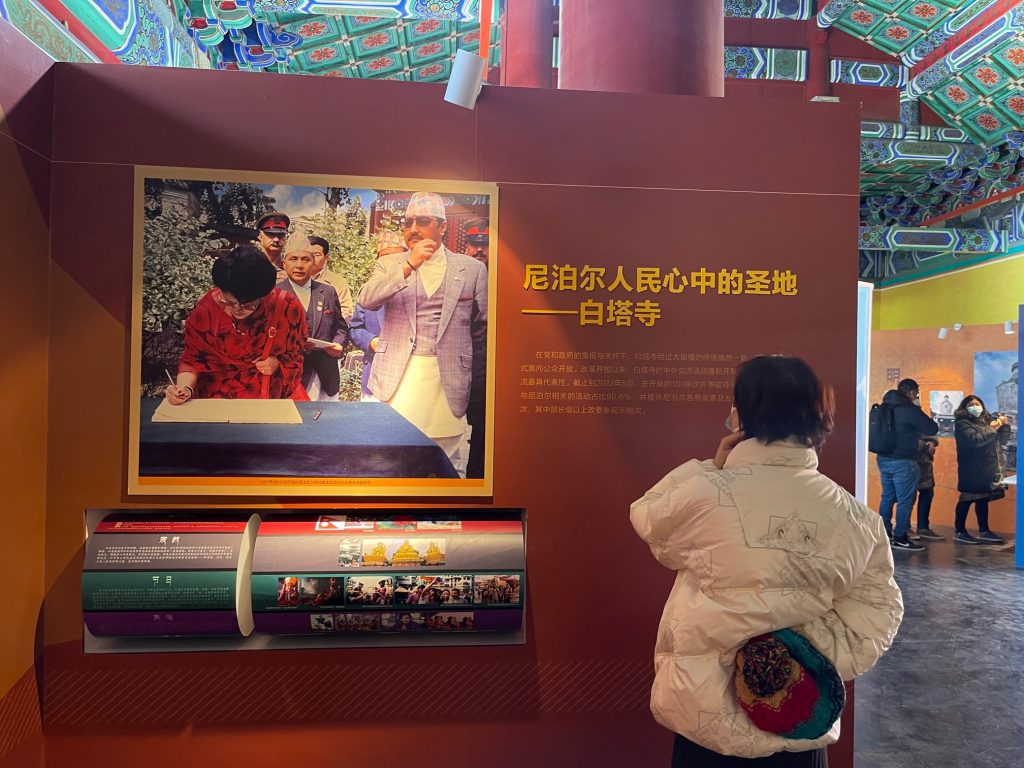
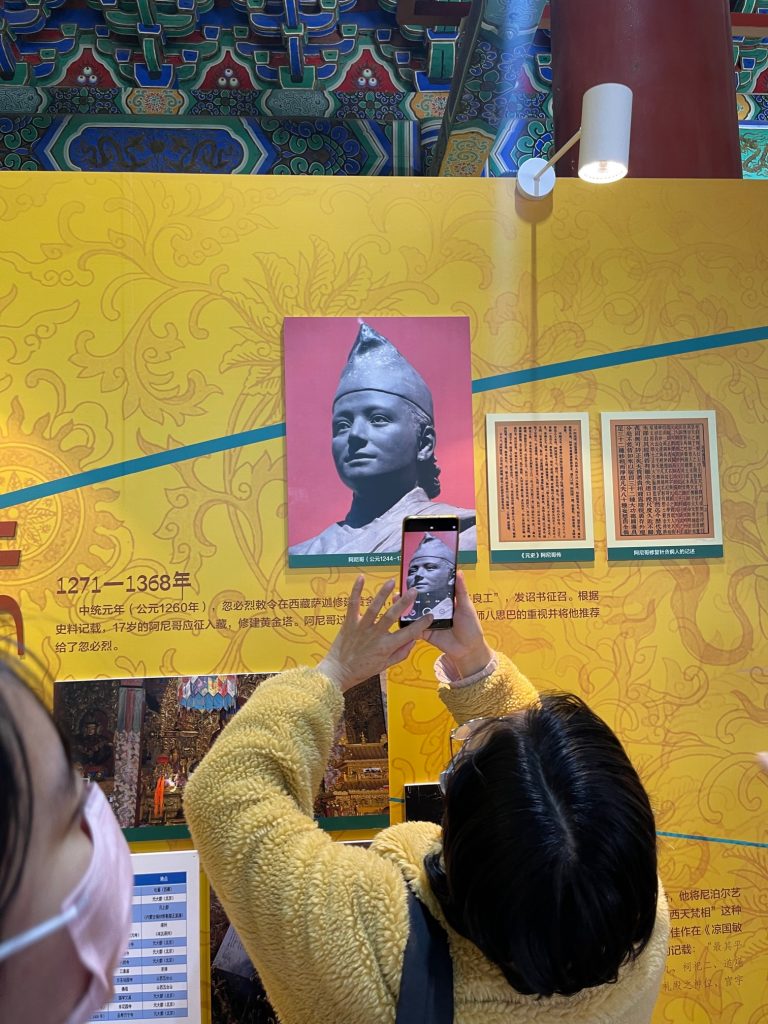
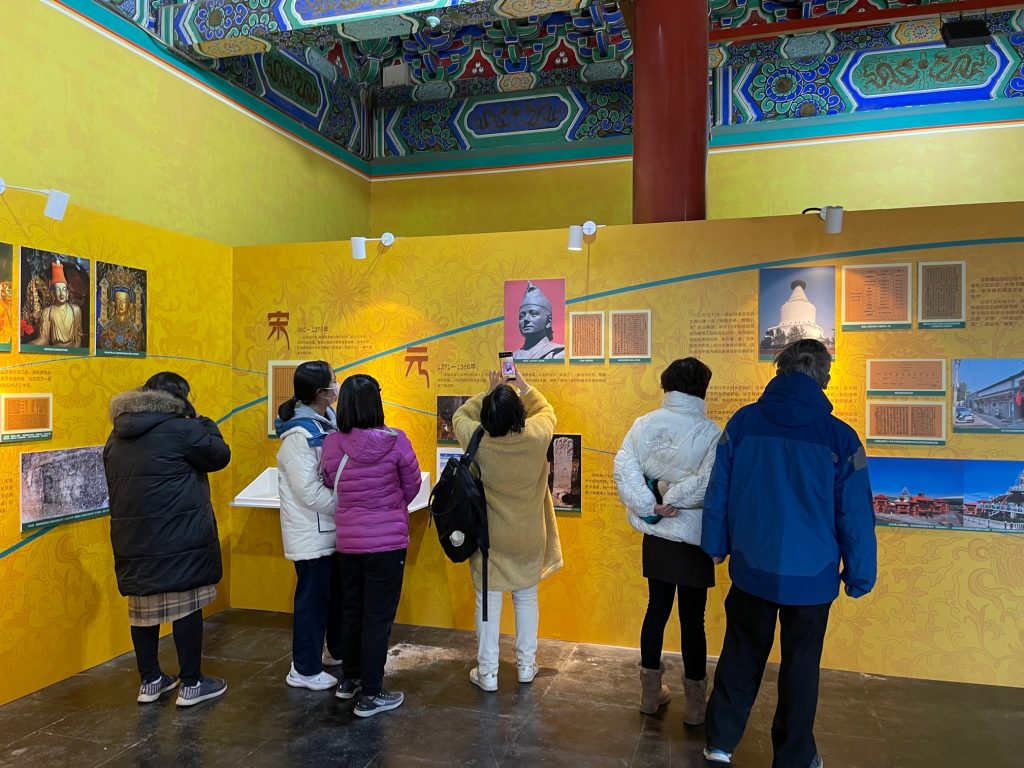
 The White Dagoba, or the Miaoying Temple can also be known as Araniko Temple as it was built by the Nepali architect Araniko. It was built during the Yuan Dynasty in 1271 during Kublai Khan’s rule. A full body statue of Araniko has graced the temple premise. The temple also features a China-Nepal Cultural Exchange Exhibition Hall, where Nepal’s historical, natural, and cultural richness and beauty is reflected through photos, paintings, and audio-visual materials.
Dazhongsi Ancient Bell Museum
The White Dagoba, or the Miaoying Temple can also be known as Araniko Temple as it was built by the Nepali architect Araniko. It was built during the Yuan Dynasty in 1271 during Kublai Khan’s rule. A full body statue of Araniko has graced the temple premise. The temple also features a China-Nepal Cultural Exchange Exhibition Hall, where Nepal’s historical, natural, and cultural richness and beauty is reflected through photos, paintings, and audio-visual materials.
Dazhongsi Ancient Bell Museum
 Dazhong Si (Big Bell Temple) has a collection of fascinating bells and chimes from the ancient period. The halls have many models and replicas of bells, in different shapes and sizes, depicting rich history. The most iconic one is the Nepali bell ‘Ghanti’ made up of brass and tied with the wooden structure. Out of bells from many countries on display, this Nepali gift to the Chinese people stands unique and echoes the magical sound of Sino-Nepal friendship.
The Lama Temple
Dazhong Si (Big Bell Temple) has a collection of fascinating bells and chimes from the ancient period. The halls have many models and replicas of bells, in different shapes and sizes, depicting rich history. The most iconic one is the Nepali bell ‘Ghanti’ made up of brass and tied with the wooden structure. Out of bells from many countries on display, this Nepali gift to the Chinese people stands unique and echoes the magical sound of Sino-Nepal friendship.
The Lama Temple
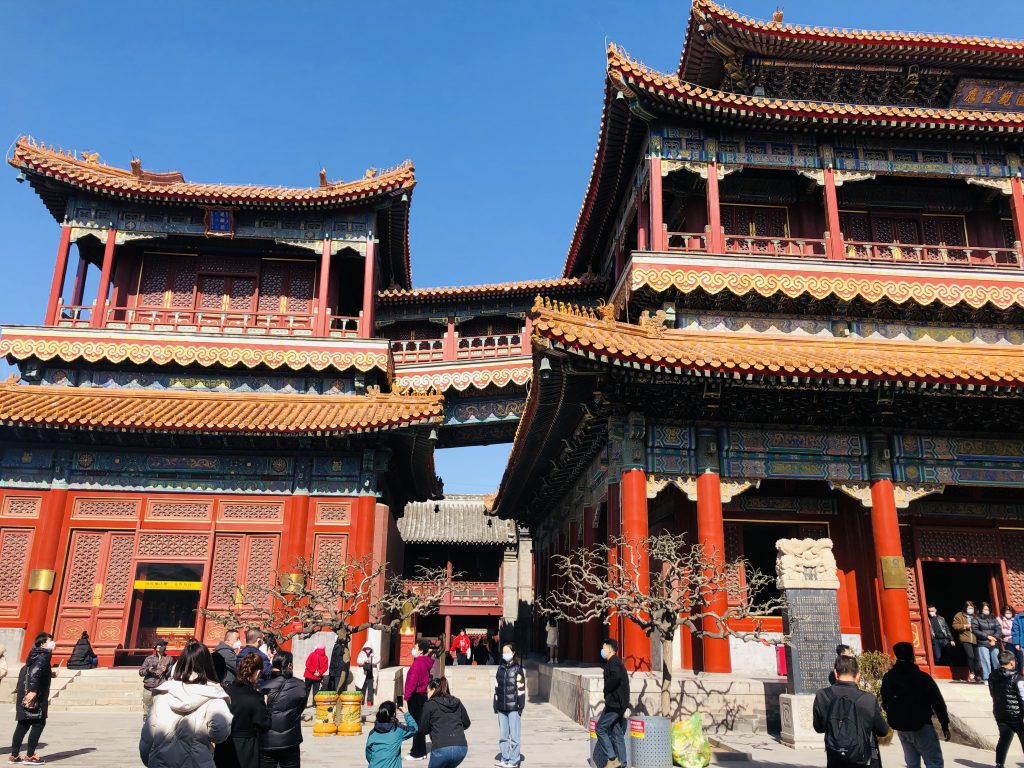
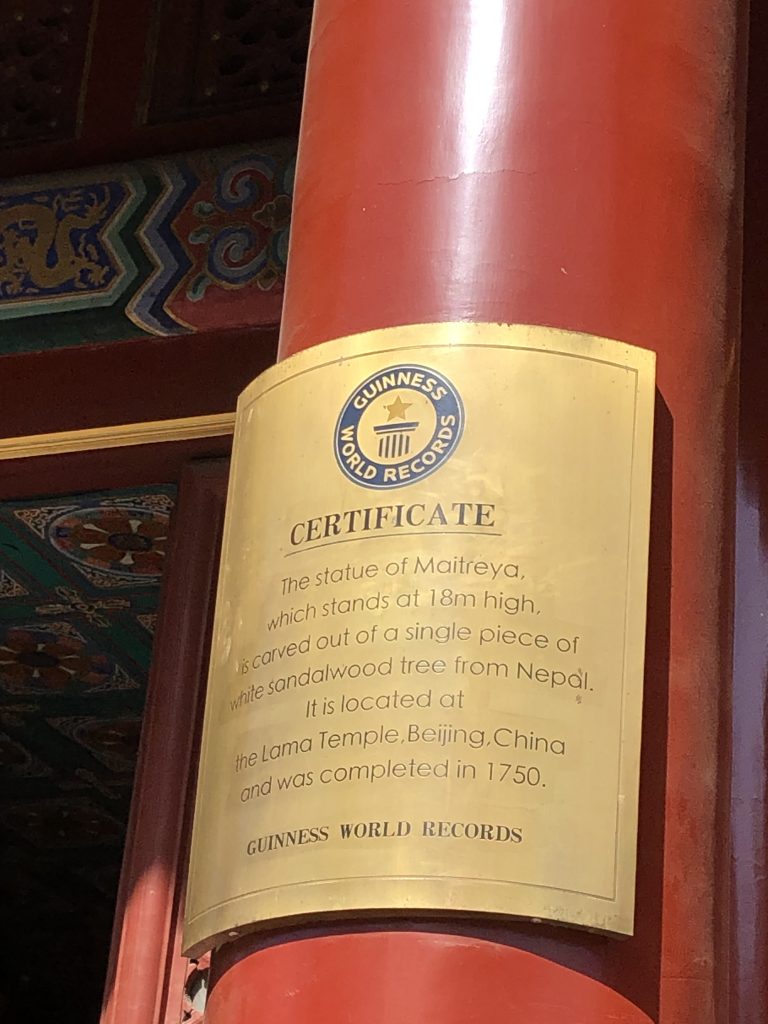
 The Yonghe Gong in Beijing is popularly known as Lama Temple, which is a center of Tibetan Buddhism. It consists of the largest sandalwood Buddha in the world. The giant precious white log with Buddha’s image carving was taken from Nepal, which is also recorded in the Guinness World Records. It is said that the sandalwood was gifted in the 1750s, which has remained as a monument of historical ties between the two countries.

Kathmandu’s metro rail plan in limbo
Every urban dweller dreams of a clean city, streets free of traffic congestion, and safe and efficient transportation. However, in Kathmandu Valley, the realization of these dreams seems unlikely in the near future. Recently, Chiri Babu Maharjan, Mayor of Lalitpur Metropolitan City (LMC), proposed to his counterpart in Kathmandu Metropolitan City, Balen Shah, to jointly build a metro train line in the valley. While residents have long been demanding a metro line for safer and easier transit, stakeholders are hesitant to support the proposal due to its potential high cost. To explore the feasibility of railway services across the country, the government has established the Department of Railways, which has already spent tens of millions of rupees on various studies. However, the department has yet to develop a strong framework for building a rail network or release its feasibility report. Reports from different companies are gathering dust on the department's shelves. Raju Maharjan, the spokesperson for LMC, said a metro rail is no longer just a dream but a necessity. According to Maharjan, LMC conducted a feasibility study on metro railways and monorails shortly after the 2017 elections. “Some consultants have already prepared preliminary reports. However, due to the high cost of building a monorail, the plan was put on hold,” he added. The study found that operating a metro railway is feasible in Kathmandu Valley. However, a single municipality cannot undertake such a massive project alone. While LMC is willing to prepare a detailed project report (DPR), other local governments in the Valley are not yet prepared. Maharjan added that traffic congestion caused by KMC is affecting entry points of LMC, such as Thapathali, UN Park, and Koteshwar. He believes that a metro railway is the only solution to end these congestions. Maharjan also stated that the federal government should work with the municipalities in Kathmandu to build the metro rail. If necessary, foreign assistance should be sought to develop the project, he added. Despite LMC's proposal to jointly build a metro railway in Kathmandu Valley, KMC has remained silent on the issue. Mayor Shah has not responded to LMC Mayor Maharjan's proposal. Ram Bahadur Thapa, director of KMC's Public Construction Department, stated that KMC does not have any plans for a metro railway. Although KMC had launched a study on monorail after the 2017 elections, the chapter has now been closed. It hasn’t allocated any budget for studying monorail and metro railway in the current fiscal year. KMC closed the monorail chapter after a study conducted by a Chinese firm concluded that although monorail is feasible, it would require significant investment. “KMC alone cannot build a metro railway, and there is confusion regarding the investment and right of way for the metro line,” he said, adding that he believes the KMC can only proceed with the plan if the federal government takes the initiative. ‘Metro rail is feasible’ The Department of Railways conducted a feasibility study for a metro railway in Kathmandu Valley ten years ago. “Many companies have prepared reports suggesting that metro railway is feasible in the valley. The studies recommend operating metro rails on routes such as Koteshwar-Kalanki, Kalanki-Maharajgunj, Maharajgunj-Koteshwar, Budhanilkantha-Suryabinayak, and Chabahil-Kalanki. However, a detailed study has not been conducted yet,” said Rohit Kumar Bisural, director general of the department. Bisural added that although the government formed the department to conduct feasibility studies and operate railway lines across the country, all the work has been affected by the lack of a concrete plan and commitments on the part of the government. He believes that metro rail has become a necessity due to increasing population density and pressure of motor vehicles, and only a mass rapid transit can address these problems. “The local governments in the valley should lobby the federal government to conduct a feasibility study and prepare the DPR of the metro railway line,” he added. Limited to study There have been numerous studies on mass rapid transit in Kathmandu Valley, conducted by local governments and donor agencies, among others. However, the government has failed to develop a master plan for the same. In 2012, a Korean company completed a feasibility study for a metro railway line in the Valley, but the report has not been reviewed despite being on the verge of being phased out. In 2017, the Government of Japan prepared a Transport Management Master Plan that proposed the construction of at least two metro lines by 2030. However, the government did not take the plan seriously. Despite multiple studies on mass rapid transit in Kathmandu, none of them have provided a detailed plan, including start and completion dates, the technology to be used, and implementing agencies. The Department has conducted a preliminary study for a skyrail on the Maharajgunj-Ratna Park-Satdobato road, even though a consultant's report concluded that elevated metro lines are not feasible in Kathmandu. JICA, a Korean engineering company, and the Railway Department have also conducted separate feasibility studies on metro railway, but none of the reports have been acted upon. KMC, which conducted a study on the operation of a monorail, has remained silent on the issue of building a metro railway. In contrast, LMC has advocated for building a metro railway within the next 10-15 years. It has concluded that metro rail is the only alternative for easy and safer transportation in Kathmandu Valley which is projected to have a population of about 6m in the next 15 years. International practice suggests that metro railways are feasible for cities with a population of at least 3m. Estimated cost Rs 553bn According to Prakash Chandra Bhandari, a senior division engineer at the Department of Railways, a feasibility study conducted 12 years ago estimated the cost of a metro railway in Kathmandu Valley to be Rs 553.20bn. However, due to inflation and other factors, the cost would now double if the metro rail were to be built according to the same study. The study concluded that building an underground railway in the valley was not possible, and that constructing an elevated railway would be difficult. However, Aman Chitrakar, the spokesperson for the Department of Railways, argued that an underground metro railway was possible in Kathmandu, but acknowledged the need for a standard clearly specifying how deep ownership of land and property would be valid. Chitrakar also noted that it was already late to address the issue, as many big buildings have already started building multi-storey parking underground. In February 2021, the Department of Railways assigned a Chinese consultant to prepare a detailed project report (DPR) for the proposed Satdobato-Rantapark-Maharajgunj line, but the consultant encountered problems in the initial phase of its study and is not currently doing any work. Bhandari stated that the consultant's work has been stopped because it could negatively impact the valley's cultural significance, geology, and beauty. One obstacle to building an elevated metro line is the requirement for roads to have a width of 22 meters, whereas many roads in the valley are only 12 meters wide. For example, the Lagankhel-Satdobato section is only 12 meters wide, and the Lalitpur Metropolitan City (LMC) has stated that it would not be possible to construct an elevated railway line in this section as it could disrupt the Rato Machhindranath Chariot procession. Bhandari added that widening the narrow roads to accommodate an elevated metro line was also not feasible. Despite the Department of Railways extending the study timeframe until February 2023, no progress has been made in addressing these obstacles. Chitrakar suggested that building an underground metro line would require a national consensus.


