





Dr Sanduk Ruit: Giving vision to millions

Quick facts
Born on 4 Sept 1954 in Taplejung
Went to Siddhartha Vanasthali School, Kathmandu
Completed MBBS at King George Medical University in Lucknow, India
Completed MD in Ophthalmology from the All-India Institute of Medical Sciences (AIIMS)
Developed a new intraocular lens that could be produced cheaply in 1995
Husband to Nanda Ruit
Father to Serabla Ruit, Sagar Ruit and Satenla Ruit
 I was born in a remote mountain village of Taplejung district. The village had no access to electricity, healthcare and education, so you could imagine how grim the situation was for the people. Though I belonged to a farming family, my parents made sure that I got educated. I had to walk a long distance every day to reach my school in Darjeeling, India.
I was the second of my parents’ four children, but all my siblings died while they were still young. My older brother passed away at the age of three during a diarrhea outbreak in my village. The sister below me died of hyperthermia when she was eight, and my youngest sister succumbed to tuberculosis at fifteen.
The passing of my youngest sister was the most difficult one for me. She had been my best friend and the one closest to my heart. My family was devastated because they couldn’t afford for her treatment.
The death of my youngest sibling is the reason why I became a doctor. I wanted to devote my life to helping the poor who lack access to quality healthcare.
I graduated from Siddhartha Vanasthali School in Kathmandu, Nepal, in 1969, and got a scholarship to study medicine and surgery at King George Medical College in Lucknow, India from 1972 to 1976. In 1984, I moved to Delhi to study at the All-India Institute of Medical Sciences to become an ophthalmologist. And from 1987 to 1988, I worked under renowned Australian ophthalmologist Fred Hollows as part of a 14-month residency program at Sydney’s Prince of Wales Hospital.
Dr Hollows was impressed by my hard work and motivated me to keep getting better.
I researched about the health issues in Nepal and realized that visual impairments, particularly blindness as a result of cataracts, have a 62.2 percent incidence rate among patients over the age of fifty, and that seven youngsters lose their sight every day. In Nepal, refractive abnormalities are frequent eye illnesses that cause blindness in youngsters, and every year, thousands of individuals go blind as a result of cataracts.
The World Health Organization estimates that 90 percent of the world’s blind population comes from low-income households. There are over 460,000 people in need of eye health care services, and many of them have to travel long distances, often through bad weather, to get the care they need.
I was born in a remote mountain village of Taplejung district. The village had no access to electricity, healthcare and education, so you could imagine how grim the situation was for the people. Though I belonged to a farming family, my parents made sure that I got educated. I had to walk a long distance every day to reach my school in Darjeeling, India.
I was the second of my parents’ four children, but all my siblings died while they were still young. My older brother passed away at the age of three during a diarrhea outbreak in my village. The sister below me died of hyperthermia when she was eight, and my youngest sister succumbed to tuberculosis at fifteen.
The passing of my youngest sister was the most difficult one for me. She had been my best friend and the one closest to my heart. My family was devastated because they couldn’t afford for her treatment.
The death of my youngest sibling is the reason why I became a doctor. I wanted to devote my life to helping the poor who lack access to quality healthcare.
I graduated from Siddhartha Vanasthali School in Kathmandu, Nepal, in 1969, and got a scholarship to study medicine and surgery at King George Medical College in Lucknow, India from 1972 to 1976. In 1984, I moved to Delhi to study at the All-India Institute of Medical Sciences to become an ophthalmologist. And from 1987 to 1988, I worked under renowned Australian ophthalmologist Fred Hollows as part of a 14-month residency program at Sydney’s Prince of Wales Hospital.
Dr Hollows was impressed by my hard work and motivated me to keep getting better.
I researched about the health issues in Nepal and realized that visual impairments, particularly blindness as a result of cataracts, have a 62.2 percent incidence rate among patients over the age of fifty, and that seven youngsters lose their sight every day. In Nepal, refractive abnormalities are frequent eye illnesses that cause blindness in youngsters, and every year, thousands of individuals go blind as a result of cataracts.
The World Health Organization estimates that 90 percent of the world’s blind population comes from low-income households. There are over 460,000 people in need of eye health care services, and many of them have to travel long distances, often through bad weather, to get the care they need.
 So, Dr Hollows and I imagined a world where people in impoverished nations could get top-notch eye treatment. In our search for an alternative method of treating cataracts, we developed a novel intraocular lens that could be mass-produced at a much-reduced cost. With this inexpensive lens, a cataract patient could be treated in just five minutes.
Realizing that producing these lenses locally would significantly reduce the cost of treatment, we began developing plans to build a factory to produce the eye lenses necessary for cataract surgery. Upon my return to Nepal, I participated in the development of the Nepal Eye Program and contributed to a comprehensive epidemiological study of blindness in the country. In Nepal, I was the first to use intraocular lens implants for cataract surgery.
At the time, traditional practitioners and the majority of old physicians alleged that my surgical approach presented threats to patients’ eyes. But I persisted and was able to convince my critics of my innovative method of treatment. Also, in 1989, WHO didn’t allow my team to conduct cataract surgeries, saying that these things need a high clinical trial. But to date, not a single patient has complained about our lens.
In collaboration with a team of young Nepali ophthalmologists and philanthropists, I established the Tilganga Eye Centre, which is supported by the Nepali program for eye health care and the Fred Hollows Foundation. Our plant opened in June 1995, a year after the passing of my mentor and friend, Dr Hollows. I was later appointed the medical director of Tilganga Ophthalmological Institute. The institute is a key partner of the Fred Hollows Foundation, and it is now a global medical institution led by my team, who has provided free care to over 120,000 people with treatable blindness.
We also organized a mobile eye clinic in Nepal’s remote mountain regions to perform free surgeries on people in need.
With the objective of providing free surgery to the poor and needy, my team has set up more than 200 eye camps in the remote areas of Nepal. Our surgical approach has helped cut in half the rate of treatable blindness in Nepal over the past three decades. We have also trained over 650 doctors in the fight against preventable blindness around the world, and as a result, the number of successful eye surgeries performed worldwide has now surpassed 35m.
About 6,000 operations are performed successfully each year at our institute. Mobile hospitals were so effective that their success was shared with countries including Bhutan, Thailand, Myanmar, Mongolia, Pakistan, North Korea, Ethiopia, Bangladesh, China, and India. And my team has set a target of screening 1m people and treating 300,000–500,000 patients with curable blindness by 2030.
About him
Samarjeet Shah (Student)
So, Dr Hollows and I imagined a world where people in impoverished nations could get top-notch eye treatment. In our search for an alternative method of treating cataracts, we developed a novel intraocular lens that could be mass-produced at a much-reduced cost. With this inexpensive lens, a cataract patient could be treated in just five minutes.
Realizing that producing these lenses locally would significantly reduce the cost of treatment, we began developing plans to build a factory to produce the eye lenses necessary for cataract surgery. Upon my return to Nepal, I participated in the development of the Nepal Eye Program and contributed to a comprehensive epidemiological study of blindness in the country. In Nepal, I was the first to use intraocular lens implants for cataract surgery.
At the time, traditional practitioners and the majority of old physicians alleged that my surgical approach presented threats to patients’ eyes. But I persisted and was able to convince my critics of my innovative method of treatment. Also, in 1989, WHO didn’t allow my team to conduct cataract surgeries, saying that these things need a high clinical trial. But to date, not a single patient has complained about our lens.
In collaboration with a team of young Nepali ophthalmologists and philanthropists, I established the Tilganga Eye Centre, which is supported by the Nepali program for eye health care and the Fred Hollows Foundation. Our plant opened in June 1995, a year after the passing of my mentor and friend, Dr Hollows. I was later appointed the medical director of Tilganga Ophthalmological Institute. The institute is a key partner of the Fred Hollows Foundation, and it is now a global medical institution led by my team, who has provided free care to over 120,000 people with treatable blindness.
We also organized a mobile eye clinic in Nepal’s remote mountain regions to perform free surgeries on people in need.
With the objective of providing free surgery to the poor and needy, my team has set up more than 200 eye camps in the remote areas of Nepal. Our surgical approach has helped cut in half the rate of treatable blindness in Nepal over the past three decades. We have also trained over 650 doctors in the fight against preventable blindness around the world, and as a result, the number of successful eye surgeries performed worldwide has now surpassed 35m.
About 6,000 operations are performed successfully each year at our institute. Mobile hospitals were so effective that their success was shared with countries including Bhutan, Thailand, Myanmar, Mongolia, Pakistan, North Korea, Ethiopia, Bangladesh, China, and India. And my team has set a target of screening 1m people and treating 300,000–500,000 patients with curable blindness by 2030.
About him
Samarjeet Shah (Student)
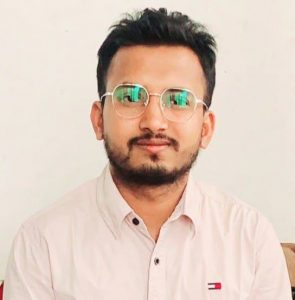 As a medical student, I have great admiration for Dr Ruit. He is a true inspiration for medical professionals, especially those who work in low-income areas, because of his innovative approach to cataract surgery. His work has not only helped improve the lives of countless individuals, but it has also inspired other doctors and researchers to explore new and innovative ways to provide healthcare to people in need. Dr Ruit’s achievements serve as a reminder to medical students like me of the incredible impact that we can make in the world if we commit ourselves to serving others.
Aalok Mishra (Student)
As a medical student, I have great admiration for Dr Ruit. He is a true inspiration for medical professionals, especially those who work in low-income areas, because of his innovative approach to cataract surgery. His work has not only helped improve the lives of countless individuals, but it has also inspired other doctors and researchers to explore new and innovative ways to provide healthcare to people in need. Dr Ruit’s achievements serve as a reminder to medical students like me of the incredible impact that we can make in the world if we commit ourselves to serving others.
Aalok Mishra (Student)
 As a Nepali medical student studying in Bangladesh, I have to interact with the local patients here. When they know that I’m from Nepal, most of the patients ask me about Tilganga Hospital and its service. It is due to Dr Ruit’s hard work and service that he has made Nepal proud around the world. A Nepali doctor doing such inspirational works definitely helps medical students like me.
Abhinash Jha (Student)
As a Nepali medical student studying in Bangladesh, I have to interact with the local patients here. When they know that I’m from Nepal, most of the patients ask me about Tilganga Hospital and its service. It is due to Dr Ruit’s hard work and service that he has made Nepal proud around the world. A Nepali doctor doing such inspirational works definitely helps medical students like me.
Abhinash Jha (Student)
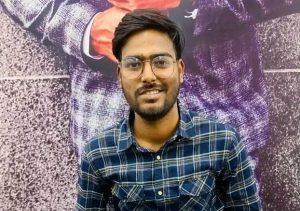 Dr Ruit is an inspiration for medical students because he demonstrated the meaning of empathy, which is a must for any medical student. He proved that a good doctor must be a good human being. For medical students, he is the moral guideline as he has emphasized the basics of humanity through his medical service. Every eye doctor wants to be like him, which shows his greatness.

Mind Matters | Attention issues
I’m a 19-year-old student, and I have a very short attention span. I zone out mid conversation and forget what was being said after a while. Sometimes I’m doing alright, sometimes I’m hyperactive, and sometimes I just don’t feel like doing anything. I have extreme mood swings. I try focusing on a certain task but then I get distracted easily. Is this just laziness or is it a symptom of ADHD? What should I do?—L.I. Answered by Aditya Dangol, counseling psychologist, Happy Minds First, I want to start by appreciating your self-awareness, which is a major step for further improving your mental state. The frustration is palpable and it indicates that you might be quite overwhelmed and confused, which is completely valid. One thing I can let you know for sure is that the symptoms you have mentioned are definitely not of laziness, but it might be associated with ADHD or anxiety. There are a few things you can try on your own to reduce those symptoms. With issues like mood swings, lack of concentration, and forgetfulness, it’s usually helpful if you make a schedule. That will structure your day and make you feel less anxious. You can set reminders for yourself in order to remember what you need to do. Include things that you love doing to avoid monotony. It doesn’t always have to be productive tasks, but things like watching a movie or going out for coffee could be on the list too. Reward yourself when you complete your daily tasks. It will motivate you to remain consistent with your routine. Having a support system is very important in this situation. Surround yourself with people who love and care about you and don’t shy away from sharing how you feel. Getting your feelings validated can be a calming experience. If you are an introvert, it might be difficult for you to open up. In that case, take baby steps. Start by sharing something small and see how that goes. You will eventually find someone you are comfortable enough to talk to, but you need to start somewhere. If you know anyone who is going through the same issues, try asking him/her what he/she does in order to lessen those symptoms. Although the same thing might not work for you, it’s worth a try. Exercise is also beneficial in improving your mental health. But only minimizing the symptoms isn’t enough. It’s necessary for you to get a proper diagnosis in order to find out what is causing the problems in the first place. For that, you will have to visit a mental health professional. There are a few tests that you will need to go through since your symptoms can be related with ADHD, anxiety, or can simply be caused by stress. I would not suggest self-diagnosis because you might not always come to the right conclusion. There are a lot of factors like family history and physical health that need to be analyzed. Before visiting a psychologist, jot down your symptoms in a journal. This will help your therapist to understand what exactly you are going through, advise necessary tests, and come to a proper conclusion. Even if you get diagnosed with ADHD, don’t worry. It’s manageable. Follow the suggestions your therapist provides you, and you will be just fine.

State of the economy: Recovery hope rises with improvements in external sector
After a tumultuous year that gave rise to fears that Nepal is going the 'Sri Lanka way', the good news is the country's external sector has improved noticeably over the last two months. But the bad news is, the government is struggling to meet the revenue collection target along with expediting capital expenditure.
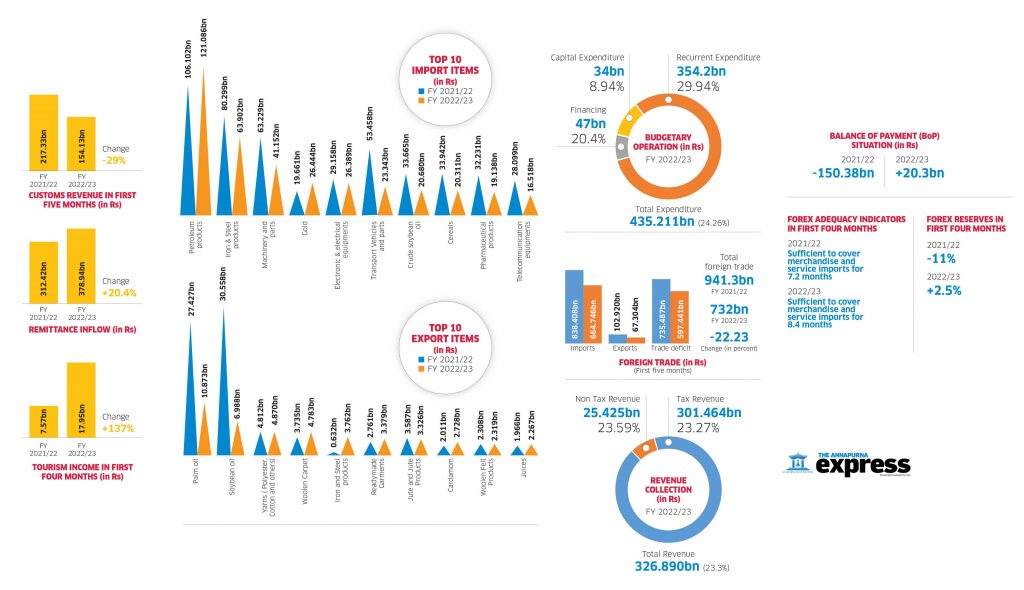
The government has spent only 24.26 percent of the budget in the first five months of the current fiscal year. According to the Financial Comptroller General Office (FCGO), which tracks the budgetary operation, the government’s spending stood at Rs 435.21bn till mid-Dec with capital expenditure totaling just Rs 33.99bn, a meager nine percent of the money allocated in the federal budget, in the review period.
In this context, the most worrying part for the government has been a sharp decline in revenue collection. Such is the slump that current revenue collection is not sufficient even to meet growing recurrent expenditure.
Revenue collection has largely fallen behind the target in the first five months of the current fiscal year as the FCGO data shows the government's revenue collection has a shortfall of Rs 138 billion of the target.
The government had set a target of collecting Rs 464bn in revenue from mid-July to mid-December period, but the collection stood at only Rs 326bn. On the other hand, the overall expenditure stood at Rs 438.79bn.
Improving external sector
While Nepa’s overall economic prospect is still uncertain as the recession has gripped the economy, the recovery in the country’s external sector has given some breathing space to the government. The latest macroeconomic report of Nepal Rastra Bank (NRB) shows some key indicators of the external sector of the economy including balance of payment (BoP), remittance inflow and forex reserves all have increased.
Nepal’s BOP is at a surplus of Rs 20.03bn in the first four months of FY 2022/23, compared to a deficit of Rs 150.38bn in the same period of FY 2021/22.
Meanwhile, the forex reserve increased by 2.5 percent to Rs Rs 1246.27bn in mid-Nov 2022 from Rs 1215.80bn in mid-July 2022. In US dollar terms, the gross forex reserve increased one percent to 9.63bn in mid-Nov from 9.54bn in mid-July this year.
The current forex reserve, according to the central bank, is sufficient to cover the merchandise imports of 9.7 months, and merchandise and services imports of 8.4 months.
Similarly, remittance inflow has increased by 20.4 percent in the first four months against a decline of seven percent in the last fiscal. Nepal has received remittances worth Rs 378.04bn till mid-Nov 2022.
 Customs revenue down by 29 percent
With a 20.71 percent decrease in the country’s imports decreasing, the customs revenue has also declined in the first five months of the current fiscal year. The new foreign trade statistics released by the Department of Customs (DoC) on Thursday show the customs revenue has shrunk by 29 percent.
DoC collected revenue worth Rs 154.13bn in the first five months of the current fiscal year compared to Rs 217.33bn in the corresponding period of the last fiscal year. The customs revenue has been affected due to the import restrictions on four-wheelers and motorcycles above 150 cc and mobile handsets costing over $300, that have higher share in government revenue collection.
Trade deficit decreases by 18 percent
The country’s trade deficit has decreased by 18.77 percent in the first five months of the current fiscal year. According to the data released by the Customs Department, the country’s total trade deficit is Rs 597.44bn in the first five months of the current fiscal year compared to Rs 735.48bn during the same period of FY 2021/22. The decline in trade deficit is attributed to the shrunk in the country’s total foreign trade (both exports and imports) which went down by 22.23 percent in the review period.
Top 10 import items
With the slowdown in economic activities and the overall market demand as a persistently high inflation rate and a squeeze in liquidity in the financial put a dent in the pockets of consumers, the imports of industrial materials, electronic and electrical equipment, vehicles, cereals, telecom equipment, and pharmaceutical products have declined in this fiscal.
Top 10 export items
The exports of edible oils, basically refined palm oil and soybean oil, have taken a beating in this fiscal year. The good news is exports of iron and steel have surged by a whopping 494.7 percent.
BoP Surplus of Rs 20.03bn
The country’s balance of payment (BoP) is at a surplus of Rs 20.03bn in the first four months of the current fiscal year.
Slight improvement in forex reserves
Nepal’s forex reserves increased by 2.5 percent in the first four months of the current fiscal year.
Remittance inflow surged by 20.4 percent
Remittance inflow has increased by 20.4 percent to Rs 378.04 billion in the first four months of the current fiscal year.
Tourism income up by 137 percent
With the fast recovery in footfalls of international visitors in the country, earnings from tourism reached Rs 17.95bn in the first four months of FY 2022/23, compared to Rs 7.57bn during the same period of FY 2021/22.
Inflation still at higher side
The consumer inflation is at 8.08 percent till mid-Nov. Food and beverage inflation stood at 7.38 percent whereas non-food and service inflation rose to 8.63 percent. Under the food and beverage category, the price of restaurants & hotels has increased by 15.97 percent, tobacco products by 11.81 percent, milk products and eggs by 9.33 percent, cereal grains & their products by 9.19 percent, and alcoholic drinks by 8.84 percent.
Customs revenue down by 29 percent
With a 20.71 percent decrease in the country’s imports decreasing, the customs revenue has also declined in the first five months of the current fiscal year. The new foreign trade statistics released by the Department of Customs (DoC) on Thursday show the customs revenue has shrunk by 29 percent.
DoC collected revenue worth Rs 154.13bn in the first five months of the current fiscal year compared to Rs 217.33bn in the corresponding period of the last fiscal year. The customs revenue has been affected due to the import restrictions on four-wheelers and motorcycles above 150 cc and mobile handsets costing over $300, that have higher share in government revenue collection.
Trade deficit decreases by 18 percent
The country’s trade deficit has decreased by 18.77 percent in the first five months of the current fiscal year. According to the data released by the Customs Department, the country’s total trade deficit is Rs 597.44bn in the first five months of the current fiscal year compared to Rs 735.48bn during the same period of FY 2021/22. The decline in trade deficit is attributed to the shrunk in the country’s total foreign trade (both exports and imports) which went down by 22.23 percent in the review period.
Top 10 import items
With the slowdown in economic activities and the overall market demand as a persistently high inflation rate and a squeeze in liquidity in the financial put a dent in the pockets of consumers, the imports of industrial materials, electronic and electrical equipment, vehicles, cereals, telecom equipment, and pharmaceutical products have declined in this fiscal.
Top 10 export items
The exports of edible oils, basically refined palm oil and soybean oil, have taken a beating in this fiscal year. The good news is exports of iron and steel have surged by a whopping 494.7 percent.
BoP Surplus of Rs 20.03bn
The country’s balance of payment (BoP) is at a surplus of Rs 20.03bn in the first four months of the current fiscal year.
Slight improvement in forex reserves
Nepal’s forex reserves increased by 2.5 percent in the first four months of the current fiscal year.
Remittance inflow surged by 20.4 percent
Remittance inflow has increased by 20.4 percent to Rs 378.04 billion in the first four months of the current fiscal year.
Tourism income up by 137 percent
With the fast recovery in footfalls of international visitors in the country, earnings from tourism reached Rs 17.95bn in the first four months of FY 2022/23, compared to Rs 7.57bn during the same period of FY 2021/22.
Inflation still at higher side
The consumer inflation is at 8.08 percent till mid-Nov. Food and beverage inflation stood at 7.38 percent whereas non-food and service inflation rose to 8.63 percent. Under the food and beverage category, the price of restaurants & hotels has increased by 15.97 percent, tobacco products by 11.81 percent, milk products and eggs by 9.33 percent, cereal grains & their products by 9.19 percent, and alcoholic drinks by 8.84 percent.


