


Why are Nepali women delaying childbirth?

Babies are beautiful. On Instagram.
In real life, it’s drool and dirty diapers. It’s a messy house where you are forever stepping on rattles and legos. It’s ‘I-will-quit’ threats from your house help if she has to clean a kitchen that resembles a war zone one more time.
Some women have “jokingly” called parenting modern-day slavery. You are, after all, at someone’s beck and call 24/7. So, most women feel babies are a bliss as long as they are someone else’s, and are choosing to wait a few years after marriage to have their own.
While the reasons were plenty and varied, a major one behind women choosing to have babies later in life was the need to first focus on their careers and be financially secure before taking up an additional, lifelong responsibility.
Many women confessed feeling weighed down by the mere thought of having to juggle home and work responsibilities besides being put off by the concept of having a timeline for everything in life.
Kritishma Karki, 36, executive director at SAATH, doesn’t like how life is supposed to unfold in stages. There is the pressure to get married at a certain age which will automatically lead to the pressure to have children, she says.
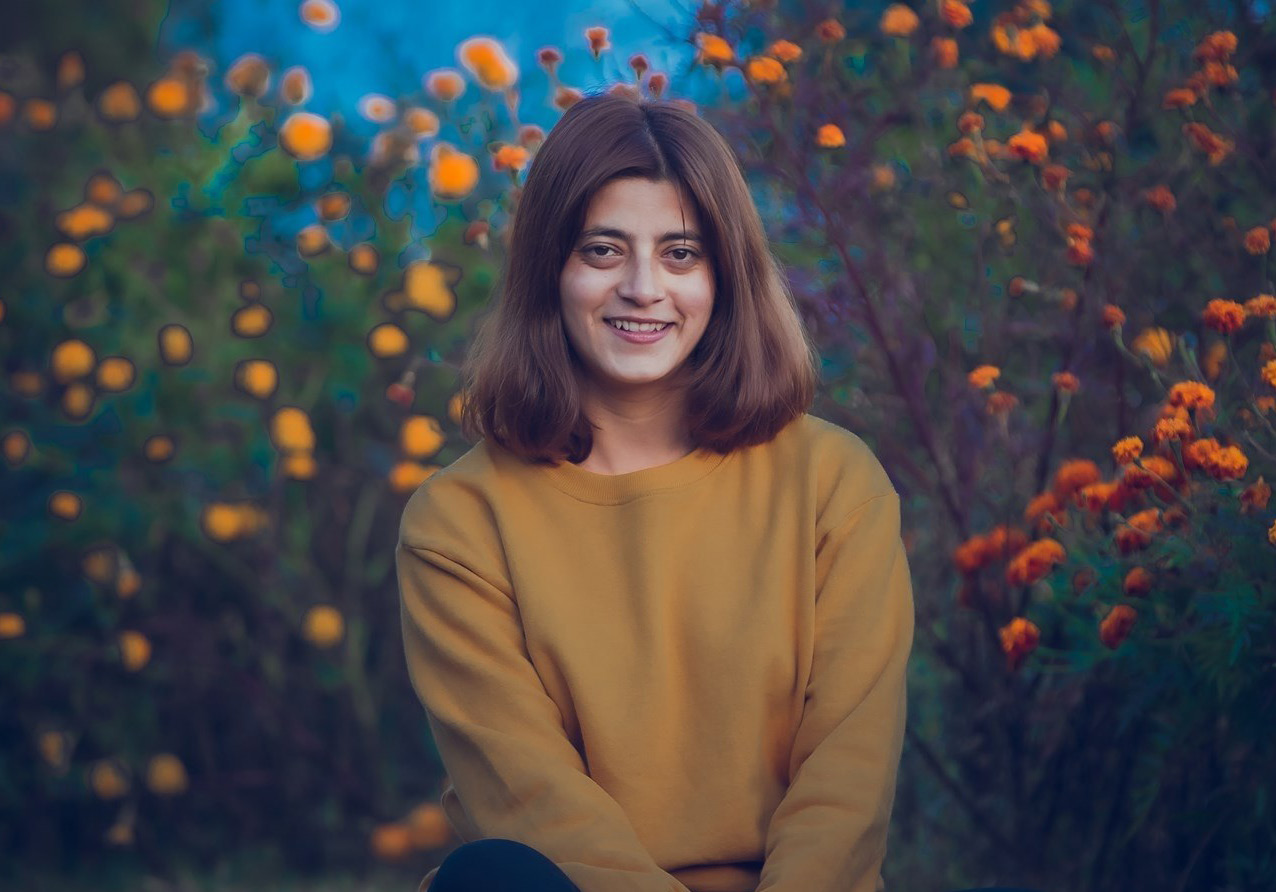 Kritishma Karki
“Having a child shouldn’t be about ‘I have to’ but rather about ‘I want to’,” she says.
Bandana Shah, 28, who has been married for less than a year, likes the idea of having and raising kids. She just doesn’t think she and her husband are currently ready to take on such a huge responsibility.
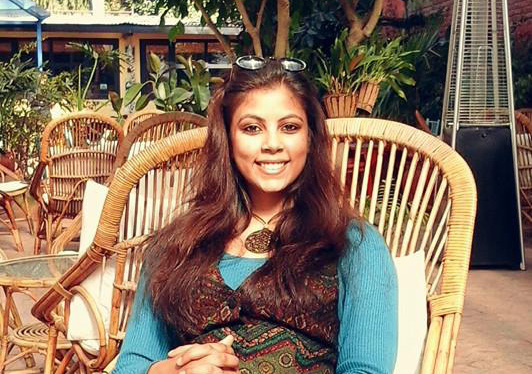
Bandana Shah
“We want to make sure we are capable of giving our child a good life. For that, we need to be financially secure first,” she says.
The couple has conveyed this to their parents and they understand. In fact, Shah’s stepmom actually tells her to enjoy married life for a few more years and only have kids in her mid-30s.
Shah works as content specialist at Shuraa Business Setup in Dubai and feels being away from home spares her from invasive personal questions.
Why is sex everyone’s business?
Not everyone is as lucky. Most Nepali women, even if they live abroad and don’t have to deal with nosy relatives on a daily basis, are coaxed into getting married and then having a child immediately thereafter.
Sneha Bhandari, 31, director of health informatics, Aegis Medical Group in Orlando, Florida, is often at the receiving end of comments like: “You are getting old, time for kids now”, and “Your parents are getting old. If you have one now, they can help you raise your child.” For her, it’s frustrating that sex is generally such a taboo but as soon as you get married, it becomes everybody’s business.
 Sneha Bhandari
“What if you have a child and then realize you are not made to be a parent?” she muses.
Most women APEX spoke to had similar concerns. They didn’t know if they were cut out or ready to be parents. To raise another human being requires dedication and a lot of effort, never mind round-the-clock vigilance, at least in the early years. It also means changing priorities and lifestyles. The unanimous opinion was that one has to be mentally, emotionally, and financially ready to have children.
But people don’t understand that, says Prerana Dhakhwa, 34, an HR professional. She says most have this stringent preconceived notion on how life must be lived and see children as a mandatory part of that “ideal life”.
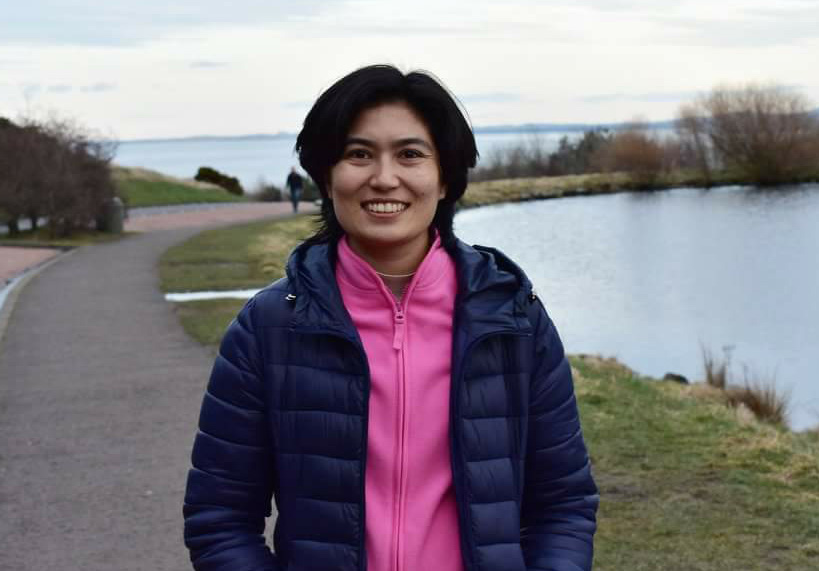 Prerana Dhakhwa
“There have been family members who have assured me that they will help me raise my children. All I had to do was give birth,” she says.
As enticing as that sounds, it’s not entirely feasible. Earlier, in joint family settings, bringing up children was relatively easy. There would always be someone to look after them. But with the number of nuclear families on the rise, parents are now the primary caretakers of their children.
While Dhakhwa wants to have children of her own someday, she says she definitely won’t do so under family or social pressure.
Other options open
Family pressure seemed to be a big reason why women who might not want a child now (or ever) were contemplating getting pregnant. Of the 60 women we questioned, 43 said they would be okay with not having children or adopting one later in life if their parents and in-laws weren’t pestering them for grandkids.
Supriya Pradhan, content writer and voiceover artist who got married in her late 20s, says every family function has felt like an ambush of sorts after she turned 30 a few years ago. Pradhan understands that some of her relatives are genuinely concerned. Years down the line, they want her to have someone to look after her—just like they have their children to look after them now. But she feels there are many factors to consider before having a child and you cannot only see it through a cultural lens.
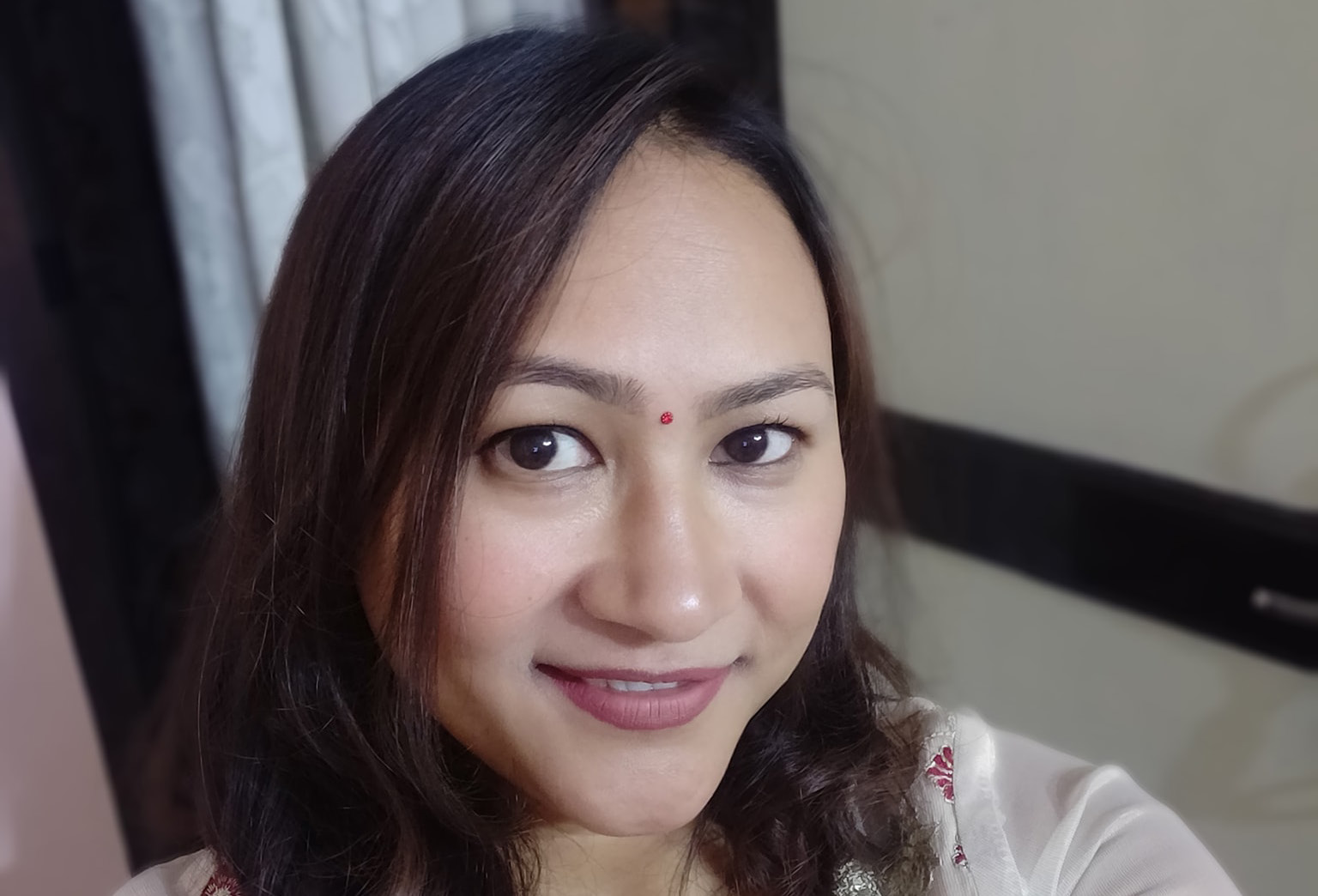 Supriya Pradhan
“I believe there is a right time. A lot of things like your emotional state, health, and finances determine that time,” she says.
Pragya Sitoula, 35, a resident of Pennsylvania, US, has similar views. Married for seven years, she has had more than a fair share of pressures to “start a family”. Now, she says, people wonder if either she or her husband have health issues preventing them from conceiving.
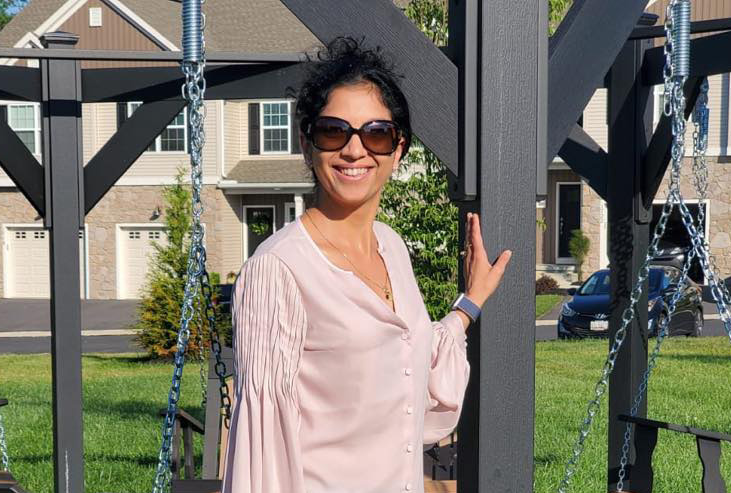 Pragya Sitoula
However, Sitoula is on the fence about children. On one hand, she sees photos of cute babies on Facebook and Instagram and that makes her want to have one. On the other, the thought of additional responsibilities a child bring along stops her from making any rash decisions.
“A major factor for me is job stability and security, at least for one person in the household, before I even think about having a child,” she says.
Rosha Basnet, 33, journalist and Everest summiteer, says she wants to be a proud mother of at least three or four kids if she achieves one of her primary goals: financial freedom. This, she believes, will allow her the luxury of time and she could then better attend to the duties as a parent.
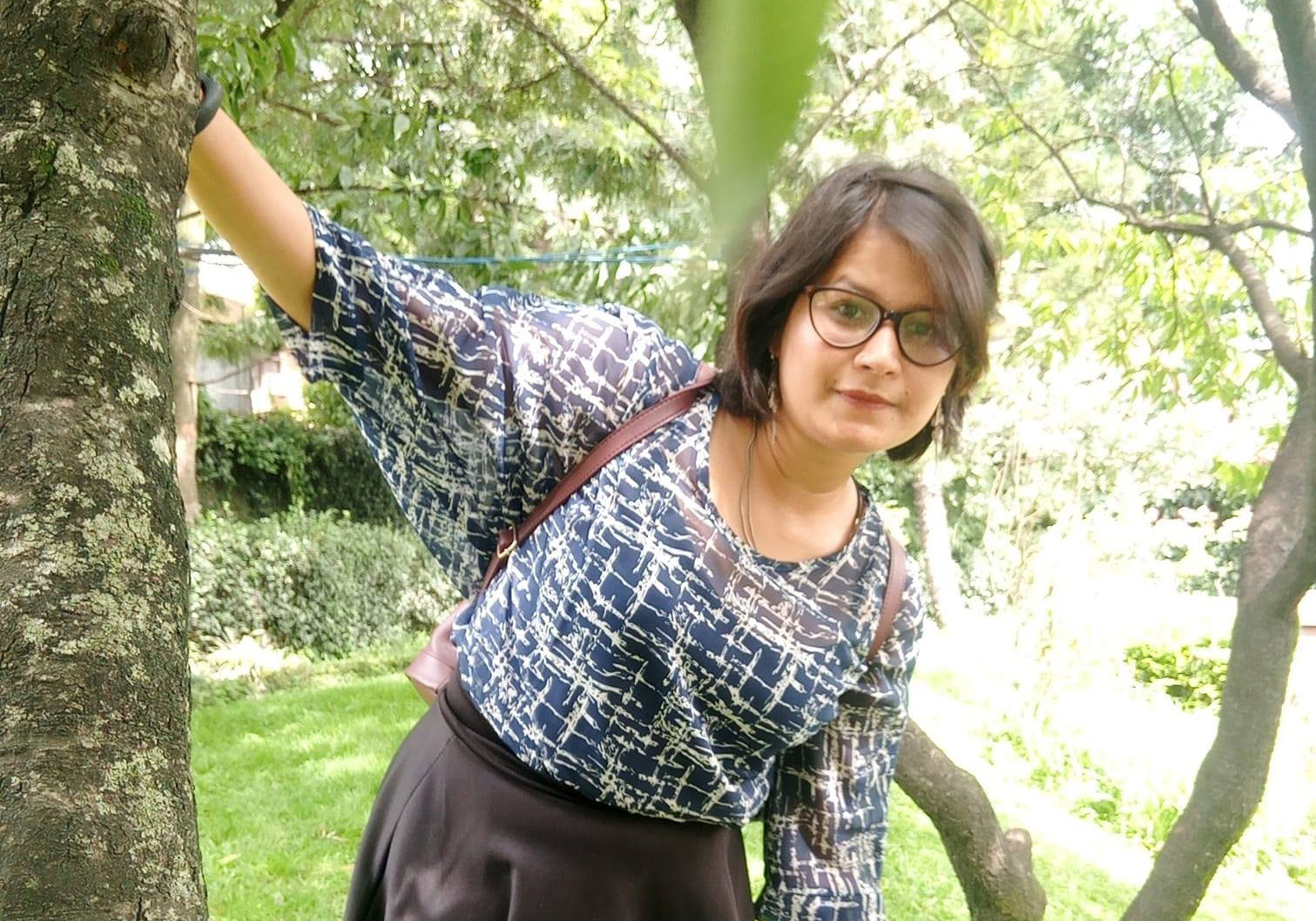 Rosha Basnet
Costs—and benefits
Complications in late pregnancies—like preeclampsia, fetal growth restriction, and spontaneous preterm birth—and the thought of slowly running out of childbearing years, make many women consider taking the plunge. But advancements in medical technology (you can now freeze your eggs), and the option of adoption help allay some of their fears.
Though having a baby in their 20s might be a safer option, conceiving in their mid- or late-30s definitely has its own perks, say most women APEX spoke to. One of the biggest plusses is you develop patience and confidence with age and are thus likely to be better parents.
Dhakhwa says having a baby with the right partner and with proper resources matter as much as having a baby at a safe reproductive age. If that means having her first child when she’s in her late 30s, so be it.
Bhandari, too, will have a baby on her own terms. She wishes people would understand that we have different priorities in life and not all of us want the same thing.
Likewise, Pradhan also doesn’t consider having a baby an obligatory part of married life. Shah wants a kid before she is 30 for health reasons and also because she has heard breastfeeding reduces cancer risks (she lost her mother to breast cancer). But the thought of the enormous amount of energy she would require to juggle home, work, and children makes her reconsider.
While families and the society expect pregnancy to follow marriage in quick succession, women, of late, are choosing to take their time and only have a child when they feel secure enough to take care of one. It’s not like adopting a pet, they say.
Dixa Thapa, 36, MD, Everest Hitech, a trading company, says she chose to have a child almost four years into her marriage—when both she and her husband felt they wanted one.
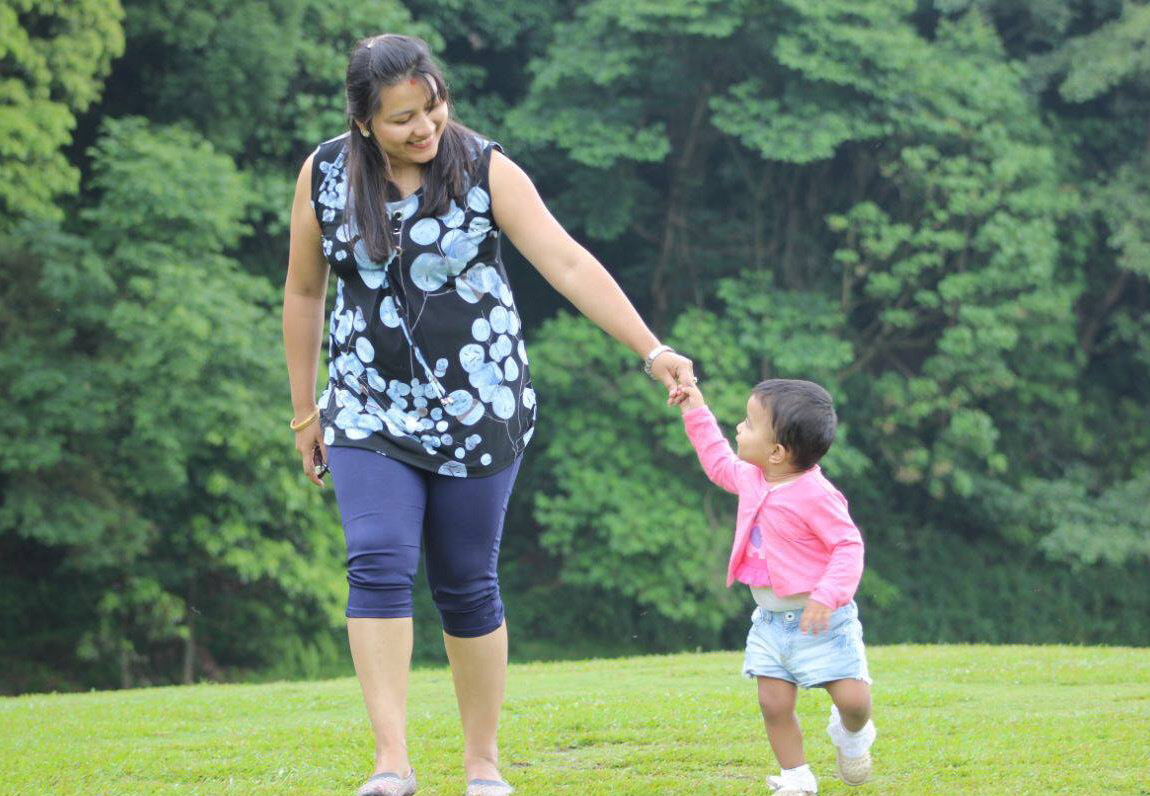 Dixa Thapa
“Motherhood is beautiful. But you shouldn’t have a child unless you are ready for it because ultimately s/he is your responsibility. There might be lots of people willing to help you or so they tell you, but when your child poops, pukes or cries, s/he will automatically end up on your lap,” she says.

‘Completed’ houses for landslide victims still incomplete
The locals had heaved a collective sigh of relief after the completion of an integrated settlement for those who had lost their houses to a series of devastating landslides in 2017, at Phalelung Rural Municipality-3, in Panchthar district of eastern Nepal. But even after the houses were supposedly completed, they were not handed over to landslide victims who are still putting up at their relatives’.
Lila Rai of Bungsingdanda, Phalelung-3 had a month-old infant in her lap when the landslide swept her house away. Her husband had already died abroad while trying to earn a living for his family. Rai, who was left homeless by the landslide, is now struggling to raise her five children. Without a house to call their own, Rai and her children have been living in a relative’s house for the past three years. “I had leased a relative’s house. I paid the lease for the first year but haven’t been able to give anything in the past two years,” laments Rai.
The local government had planned and built an integrated settlement comprising 15 independent houses. Since the houses remain unoccupied and uncared for, weeds, creepers and climbers have started covering them.
The landslide, which lasted for four days in August 2017, had destroyed dozens of houses in Bungsingdanda, Kholaghari, Manglebung and Bikte. The landslide victims were temporarily relocated at a local school. Arrangements were also made for some families to stay in temporary shelters. As a long-term solution, the provincial and local governments then decided to build an integrated settlement for those whose houses were completely destroyed.
"It's been two years since the houses were built, or that is what we are told. But we are still not allowed into them," says Rai. The settlement was built with a budget of Rs 5 million from the provincial government and Rs 1.7 million from the rural municipality. The roofs of each three-room house, including kitchen, is covered with corrugated iron sheets. The floor is plastered with concrete.
The rural municipality blames faulty project estimates for the delayed hand-over. Ward chairman of Phalelung-3, Bir Bikram Thamsuhang, informs that project estimates had failed to factor in facilities like toilets and drinking water.
"These have been shortcomings as the work was done in haste with the goal of making the houses available to landslide victims at the earliest," informs Thamsuhang. The rural municipality built toilets at an additional Rs. 200,000. Yet the houses are still without electricity and drinking water, further delaying the hand-over.

Corona conspiracy theories catching on in Nepal
The University of Pennsylvania asked 840 American adults in late March and then in mid-July about their beliefs about the origins of the novel coronavirus. In March, 28 percent of the respondents said the coronavirus was a Chinese bio-weapon unleashed on the US. By July, 37 percent of the same respondents espoused the bio-weapon theory.
US President Donald Trump has time and again accused China of concocting the ‘China virus’. He had also downplayed the dangers of Covid-19 and made bogus claims about it.
Around three months ago, BJP leader Imarti Devi said the coronavirus could not infect her as she was literally born on cow-dung.
Nepal too is fertile ground for such conspiracy theories. The most common corona-related conspiracy theories people here believe in: it’s a ‘plandemic’ rather than a pandemic, the fear is greatly exaggerated, Covid-19 is no more than common cold, and it’s a Chinese ploy.
Shamsher Shah, 45, a Kathmandu-based businessman, is sure that Covid-19 is a plandemic (being peddled by those with vested interests). He also says the fear surrounding Covid-19 are exaggerated.
 Shamsher Shah
“I, along with some others, even visited the Ministry of Health and Population to see those who had died from corona infection. But they wouldn’t allow us,” he says. He says the relatives of those who have supposedly died of the virus are not allowed to cremate them even though there is no proof the virus can be transmitted from dead bodies. “Surely, something is amiss,” Shah suspects.
Shah says people are dying of fear and not getting treated for other diseases. “If it is so dangerous, why is the death rate so low? How is it possible that over 90 percent get well without any treatment?” he asks.
Shreeram Gautam, 38, from Gulmi, says Covid-19 is no more than seasonal flu, and its dangers have been greatly exaggerated.
He questions how a beggar who comes in contact with thousands of people everyone does not get it yet a prisoner locked inside a room does. Moreover, “infections spiked during the strict lockdown, not when things started opening up.” He says these things make him skeptical if the Covid-19 is even a real virus.
 Shreeram Gautam
Pawan Sharma, 23, a student from Rupandehi, thinks Covid-19 is part of China’s game to maintain its political and economic dominance. “How is it that it started in China but the whole of China did not suffer? In fact, China has already controlled it even as other countries struggle to do so.”
Dipak Bhattarai, 33, a taxi driver in Kathmandu, offers a similar logic. “The death rate is too low to be afraid and whoever has died mostly had other diseases,” he says. Bhattarai doubts the virus is spread from person to person even if they sit side by side.
 Dipak Bhattarai
He says people are needlessly getting depressed out of the fear of catching the virus. “Weren’t there other diseases that were killing people before Covid-19?”
Rakesh Jha, 31, an IT officer in Janakpur, for his part, believes Covid-19 is a man-made virus. “Covid-19 has traveled from Wuhan to all parts of the globe but not to Beijing, how come?” he asks. He too says it’s all part of Chinese ploy to undercut its chief geopolitical rivals.
 Rakesh Jha
Likewise, Khom Kumari Khatiwada, 75, from Sunsari district offers a religious perspective. “There are so many sinners in the world these days. They have lost their dharma and greatly angered God and hence deadly viruses like this ensue,” she says.
Kripa Sigdel, a psychologist and faculty member at Padma Kanya Campus, says people learn by imitating and observing their role models. “Some influencers and public figures are publicly citing these conspiracy theories. People are greatly influenced by their ideas,” she adds.
She gives the example of Prime Minister KP Oli who has said that Covid-19 is no different to common flu and can be cured by consuming hot water and turmeric. “Now those who consider him credible are likely to believe his Covid-19 theory as well.”
 Kripa Sigdel
Gautam from Gulmi says his opinions are self-made, “based on what I saw, experienced, and felt.” Bhattarai, Sharma, and Shah too claim to have come to their conclusions on their own. “For example,” says Bhattarai, “why did my close friend get infected but nothing happened to me?”
Sigdel, the psychologist, suspects most conspiracy-theory peddlers are suffering from confirmation bias. “People like to justify their beliefs. If we believe in something we only seek information that confirms that belief.”

Is the odd-even system in Kathmandu working? Depends on who you ask
“Does anyone know if the odd/even rule is still applicable?”
“How strict is the traffic checking for the odd/even rule in Kathmandu?”
“The odd/even system has no meaning when everything else is open in the city.”
“There was no checking yesterday so I took out my bike today. But the traffic police caught me. This is so unfair.”
“How long do you think the odd/even system will be enforced? We’re having so much problems with conveyance every day.”
If you are a regular social media user, you might have read one or more of these complaints. Ever since Nepal ended its first lockdown in the third week of July, a vehicle rationing system had been in force in Kathmandu valley, home to one-thirds of vehicles registered in the country. (There are roughly above 1.1 million vehicles in the valley).
The vehicles with odd or even numbers are allowed on the streets corresponding to the Nepali dates: odd numbers on odd dates and even numbers on even dates. The rule exempts vehicles used for emergency services and transport of food and essentials.

This odd/even system was one of many measures the government introduced for the management of Covid-19 pandemic in Nepal. And like most of its efforts, this rule has also not gone down well with common folks. Especially with the economy only just starting to come back to life, the consensus on the odd/even system is negative. After coming across multiple social media posts bashing this system and then talking to people directly affected by this rule, we can say most of them reckon this rule is unnecessary, irrational, and even counterproductive.
Odd rule
“Time for odd even rule to go… we cannot resume economy without proper mobility,” Rohit Marwadi, a young businessperson, recently posted on his Facebook page. In a further conversation with Marwadi, he revealed how the odd/even system has hampered his business and raised operating costs.
“I am into churpi production and sales. Constant travel around the city is a must for us,” Marwadi says. “As our mobility has become limited due to this odd/even rule, we’ve had transport troubles and our operating costs have soared.”
Marwadi has given his motorcycle to one of his staffs so that they have bikes with both odd and even plates. He himself uses ride-sharing services to go to work. His other staff have also been managing accordingly, he says.
“More than myself or my business, I am more worried about those forced to use public transport or pay comparatively more than usual fares for ride sharing services and taxis, which they might not be able to do,” Marwadi says.
Like Marwadi, most people are unaware of how the odd/even rule is helping fight Covid-19. It has reduced traffic to an extent in all three cities of Kathmandu valley, but its direct impact on infection-reduction is unproven. Nor has the government published any findings that show the effectiveness of the odd/even system in breaking the infection chain.
“Public compliance works more than any of these rules,” says infection prevention specialist Manish Basistha. “Even if there are 10 people out there, and all of them comply with safety measures, the disease-spread is minimal. But even if there are only five people and none of them are compliant, the risk increases disproportionally.” So the number of people going to work or out there in the public does not matter so long as they are compliant with healthcare protocols. In short, Basistha believes the odd/even system is neither effective nor necessary, especially with people openly flouting basic protocols on public transport and public places.
Tricked by your brain?
Even the spokesperson for the Metropolitan Traffic Police Department, SP Rameshwar Prasad Yadav, does not sound confident about the effectiveness of the vehicle rationing system in decreasing Covid-19 transmissions. “The basic idea is to reduce crowds in public areas. This is why the government wanted us to implement the odd/even system,” says Yadav as he tries to explain that the traffic police is only doing its part. “It is not our decision anyway. We only do as instructed.”

As for alleged irregularities in traffic checking for odd/even compliance, Yadav claims it is deliberate. The traffic police relocate their checkpoints frequently so that people do not find a way around them. Also, during rush hours, the checkpoints might be relocated to avoid congestions in busy areas. “It’s also human psychology. People who get caught think the checking is strict but people who don’t get caught think there’s no checking at all.”
But the fact is, Yadav clarifies, 44 units of traffic police are deployed at 137 different places in the Valley and around 1,000-1,200 vehicles are stopped for non-compliance every day. Some of them are let go with a warning while others are penalized, depending on the situation.
Asked if it is wise to force people who own vehicles into public transport, Yadav replies that the odd-even rule has been imposed for the greater good. “Only around 10 percent of people own vehicles in the valley. This system is for the rest,” Yadav says. “And since we are doing this to control infection, we also request the people to comply. Please do not go out unless absolutely necessary.”
No lockdown plans
Janak Raj Dahal, CDO of Kathmandu district, has the same request. The vehicle rationing system has been introduced to cut public mobility but it can work only if the public complies. “People need to share at least half the responsibility at a difficult time like this,” Dahal says. “We are not enforcing these measures just to harass the public. It is for their own good.”
On the effectiveness of the rationing system, Dahal claims that despite constant complains and negative public perception, the odd/even rule has helped manage traffic and control unnecessary movement in the valley. He is aware of the problems surrounding rule enforcement and the inconvenience for vehicle owners but the priority right now is Covid-19 management, he explains.
Based on our conversations with government officials, it is safe to assume that the vehicle rationing system will be in place for a few more months.

Another general concern—the lockdown—is also not on the cards, unlike what has been rumored, government officials explained. “We have not been informed about a third lockdown yet,” Dahal says. “There has as yet been no discussion on this in the District Disaster Management Committee, so the possibilities are slim.”
On contacting the Home Ministry about the vehicle rationing system and the rumored lockdown, joint secretary and ministry spokesperson Chakra Bahadur Budha dismissed the concerns, saying the rationing system was the CDO’s call and the home ministry had nothing to do with it. On the lockdown, Budha blamed the media for spreading rumors and creating unnecessary panic.


